
Red light therapy has an excellent safety profile — it’s one of the safest interventions in the wellness space. But “safe” doesn’t mean “no considerations.” Here’s a comprehensive, honest look at the side effects, risks, and precautions for anyone starting red light therapy.
The Safety Record
Photobiomodulation (the clinical term for red light therapy) has been studied in thousands of peer-reviewed trials over more than 50 years. The consensus: when used at appropriate doses, it is remarkably safe. The side effect profile in clinical trials is minimal — the most common adverse events reported are mild, transient, and comparable to placebo groups in most trials.
This safety record distinguishes RLT from many other wellness interventions — it’s not “safe because there’s no evidence it does anything,” but safe despite producing measurable biological effects.
Common, Mild Side Effects
Temporary Skin Redness (Erythema)
The most commonly reported effect: mild skin redness immediately after treatment, particularly with higher-intensity devices at close range. This is a vasodilation response — increased blood flow to the treatment area — and typically resolves within 30-60 minutes. It is not a burn and requires no treatment. If redness is severe or persists, increase your treatment distance or reduce session duration.
Mild Warmth During Treatment
LED panels produce some heat, and near-infrared wavelengths in particular produce a gentle warming sensation in deep tissue. This is normal and typically not uncomfortable. If any area feels hot rather than warm, reposition to increase your distance from the panel.
Temporary Fatigue or Stimulation
Some users report either feeling energized (more common with NIR) or unusually tired (more common with longer sessions). Both responses are typically dose-dependent and normalize as your body adapts. The “tired” response may indicate you’re overdosing — shorten your sessions. The energizing response, if unwanted at night, is a reason to shift RLT sessions to morning or early afternoon.
Headache (Rare)
A small number of users report mild headaches after facial or head/neck RLT, particularly in initial sessions. This typically resolves as the body adapts and is more common with very close device proximity. If it persists, increase distance or reduce session time.
Eye Safety
The most significant safety consideration with red light therapy is eye exposure. Red and near-infrared light at high irradiance levels can potentially cause retinal photochemical or photothermal damage with prolonged, direct exposure.
Practical guidelines:
- Never stare directly into LED panels during operation
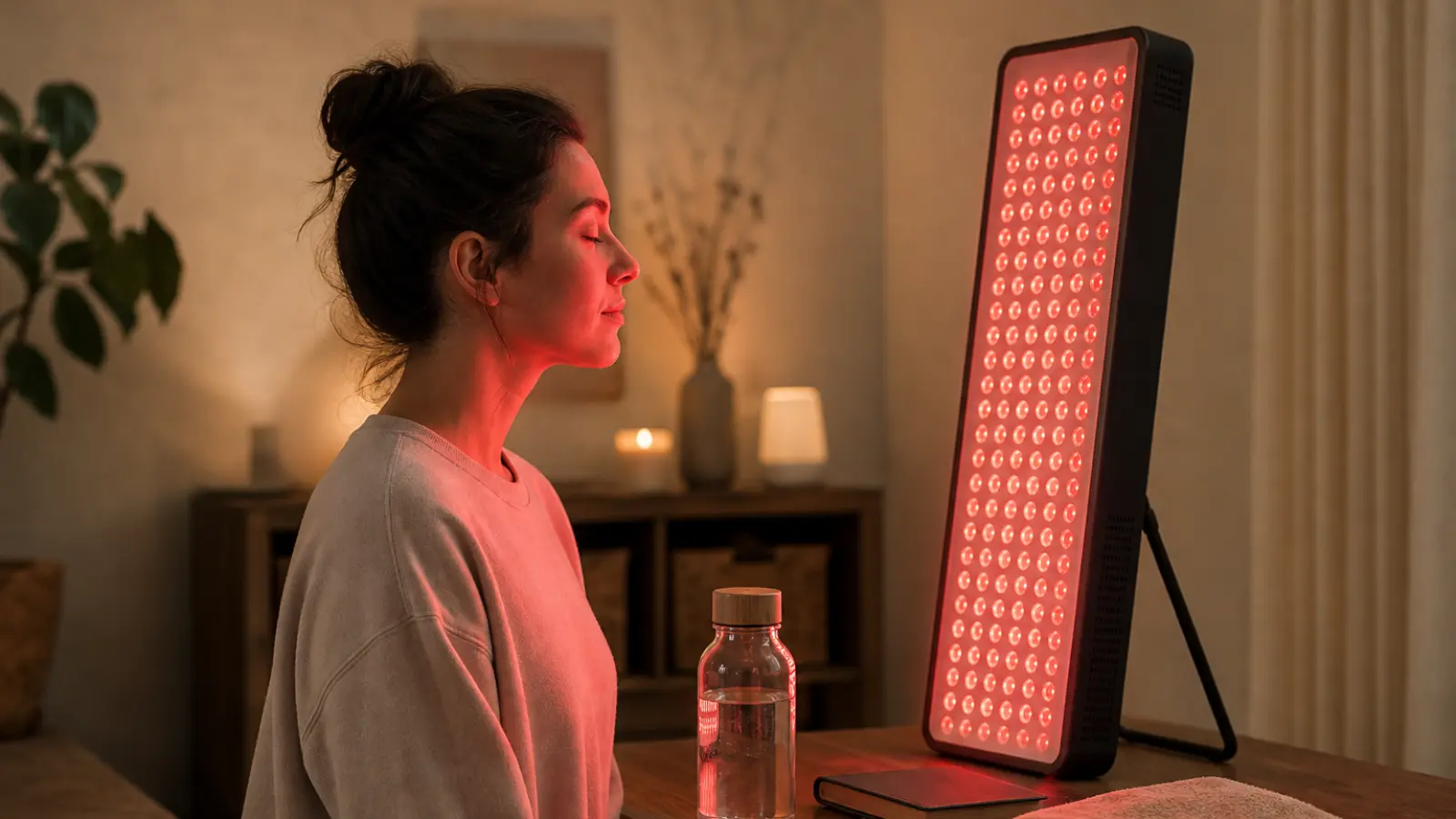
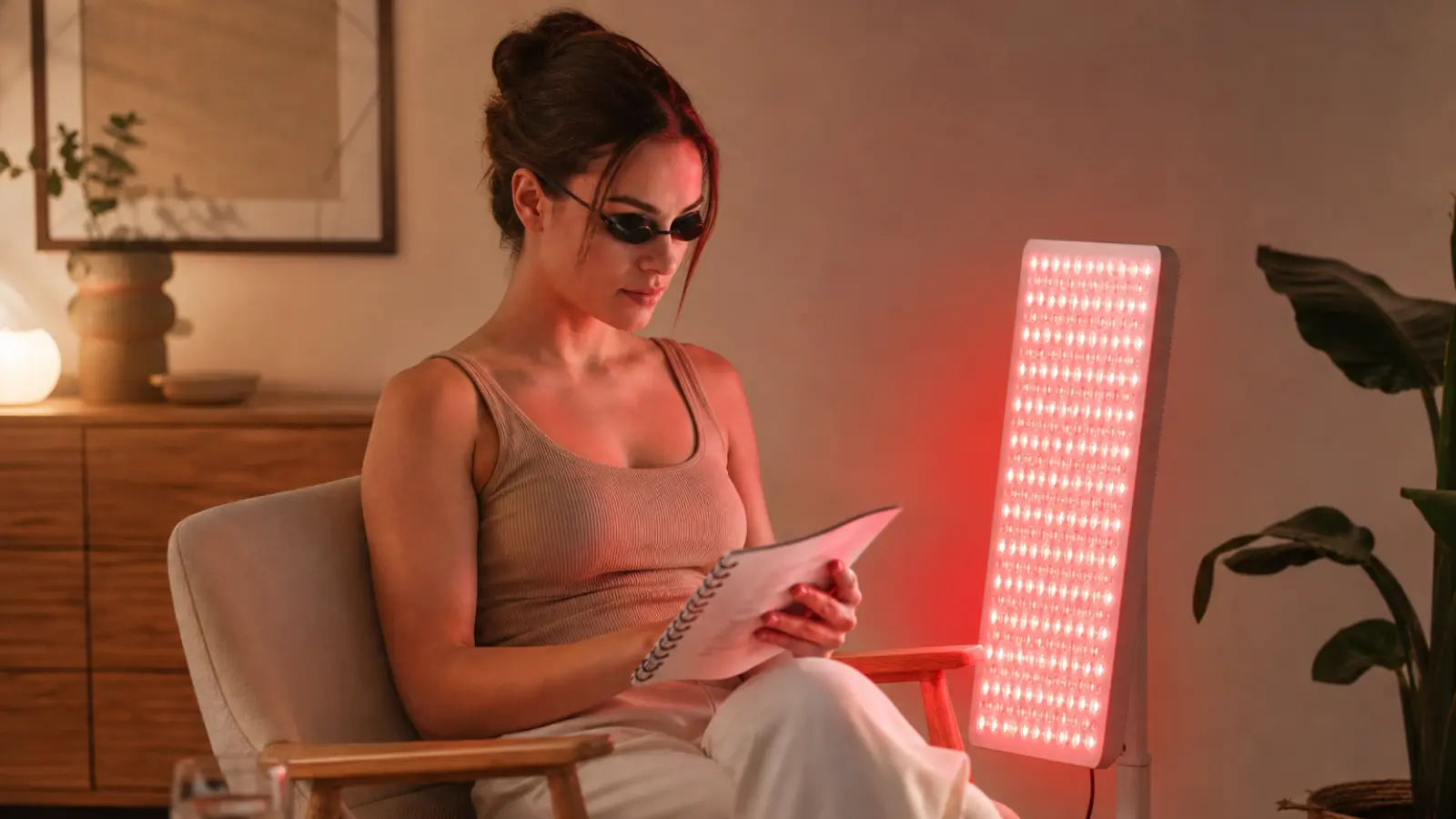
- Close your eyes when the panel faces your head/face, or use wavelength-specific protective eyewear
- Normal ambient indirect exposure (the panel is on in the room while you look away) is not a concern
- Individuals with pre-existing retinal conditions (macular degeneration, retinitis pigmentosa) should consult an ophthalmologist before starting RLT
Who Should Exercise Caution or Consult a Doctor
People with Active Cancer
The theoretical concern: increased cellular energy (ATP) from photobiomodulation could potentially support tumor cell proliferation. This has not been demonstrated in clinical studies, but out of abundant caution, most practitioners recommend avoiding red light therapy over areas of known active cancer. This is a theoretical precaution, not a proven risk — but it’s a reasonable one.
Photosensitive Medications
Certain medications increase light sensitivity and may cause exaggerated skin reactions to red light therapy:
- Tetracycline antibiotics (doxycycline, minocycline)
- Some NSAIDs (naproxen, ketoprofen)
- Certain antidepressants (St. John’s Wort, some SSRIs)
- Amiodarone (cardiac medication)
- Chlorpromazine (antipsychotic)
If you take any photosensitizing medication, consult your prescriber before starting red light therapy.
Pregnancy
There is no evidence that red light therapy is harmful during pregnancy, but there are also no adequate controlled studies in pregnant women. Most practitioners recommend avoiding abdominal RLT during pregnancy as a precaution and consulting your OB before use.
Thyroid Conditions
The thyroid gland is superficially located in the neck. Some practitioners recommend covering the thyroid during neck treatments, particularly for individuals with thyroid conditions (Hashimoto’s, hyperthyroidism). The evidence for harm is minimal, but this is a common precautionary recommendation.
What Red Light Therapy Doesn’t Do
To be clear about what red light therapy is NOT:
- It is NOT UV light and does NOT cause sunburn, tanning, or DNA damage
- It does NOT ionize tissue or cause radiation exposure
- It does NOT cause cancer (it’s being studied as a cancer adjunct therapy, not a cause)
- It does NOT burn skin at appropriate doses — you will feel warmth, not pain
The Overdose Risk: Biphasic Dose Response
One genuine, underappreciated risk: overdosing. Red light therapy follows a biphasic dose-response curve — too much light per session can inhibit rather than stimulate the desired effects. This is most relevant for: extremely close device positioning (under 4 inches), very long sessions (over 30-40 minutes per area), and daily high-dose full-body exposure.
Overdose effects are typically inhibitory (reduced benefits, increased inflammation) rather than harmful — and they’re reversible by returning to appropriate dosing. Stick to 10-20 minutes per area at 6-12 inch distance for standard use.
Bottom Line on Safety
Red light therapy is one of the safest interventions in the wellness space. For healthy adults using quality devices at appropriate doses, the risk of adverse effects is low. The main considerations are eye protection, photosensitizing medications, and the theoretical caution around active cancer. For most people, the risk-benefit ratio strongly favors use.
Medical Disclaimer: The information in this article is intended for general wellness and educational purposes only and is not medical advice. Research on red light therapy and photobiomodulation is ongoing, and individual results may vary. Always consult a qualified healthcare professional regarding wounds, injuries, or medical conditions.