
The red light therapy device market has exploded — there are now hundreds of panels, wands, masks, and devices at every price point. Most are not worth buying. Here are the seven things that actually separate an effective therapeutic device from an expensive LED decoration.
1. Verified Irradiance (mW/cm²)
This is the single most important spec. Irradiance measures how powerful the light is at your skin’s surface. You need a minimum of 30-50 mW/cm² at your treatment distance to achieve therapeutic dosing. Top panels deliver 80-120+ mW/cm² at 6 inches.
The critical word: verified. Many companies publish inflated irradiance numbers that independent testing contradicts by 50-80%. Look for third-party measurement data, not manufacturer claims. Companies like Mito Red and LightpathLED publish independent test data. Companies that only list LED watt counts are hiding their actual output numbers.
2. Correct Wavelengths
Therapeutic red light falls in the 630-660nm range. Near-infrared falls at 810-850nm. Any device you buy should include both 660nm and 850nm at minimum — these are the two most-studied wavelengths with the broadest therapeutic applications.
Watch out for devices marketing “infrared” without specifying wavelength. Far-infrared (3,000-10,000nm) is what saunas use — completely different mechanism, not the same as near-infrared photobiomodulation. Some devices also use 810nm instead of 850nm — both are valid, but make sure you know which wavelength you’re getting.
3. Panel Size and Coverage
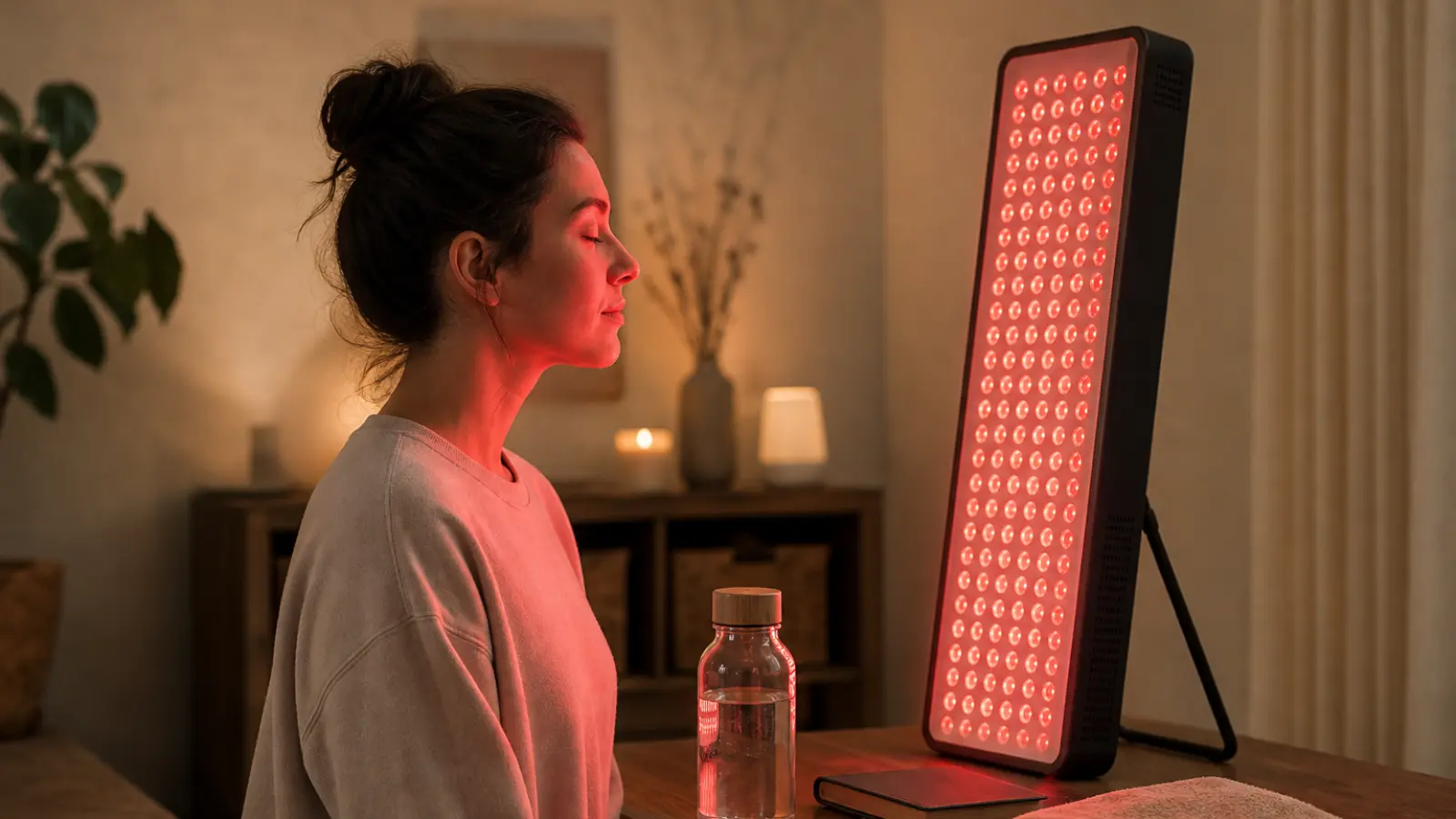
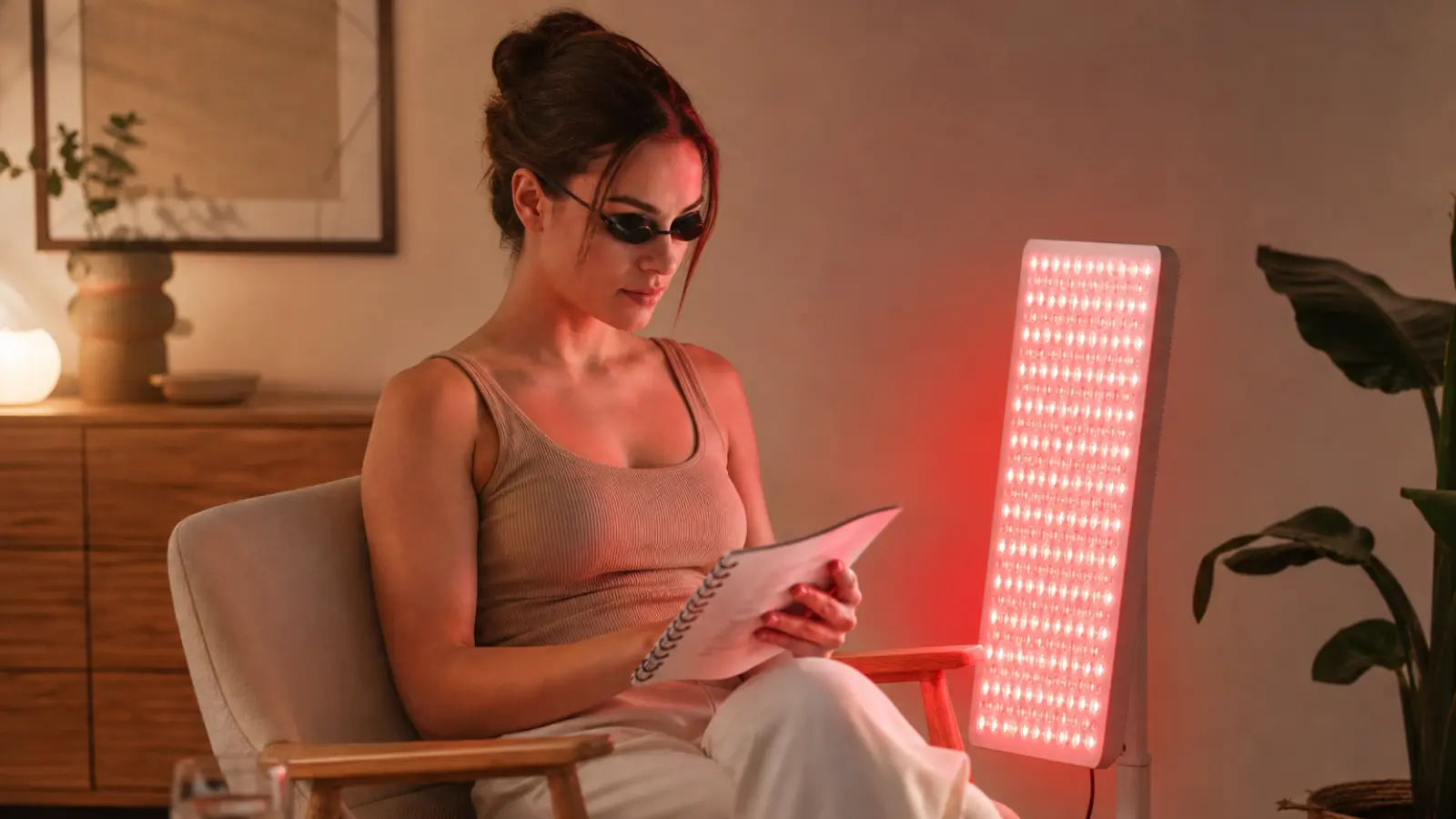
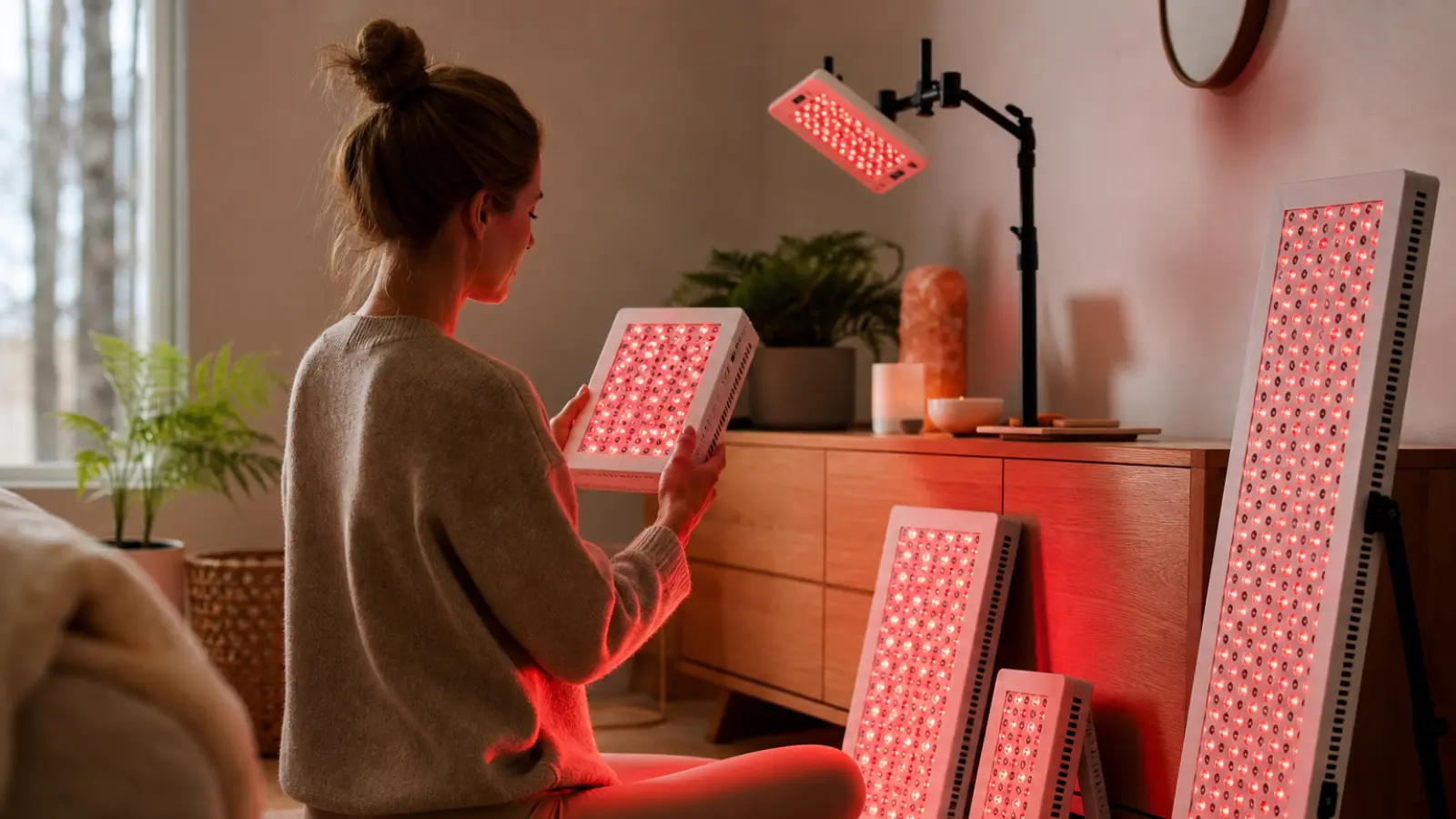
Match the panel size to your goals. For targeted treatment (face, knee, shoulder): a small panel or device is fine. For full-body systemic benefits: you need a panel large enough to cover at least your torso in a single position, or be willing to do multiple sessions per body section. Most full-body setups use panels measuring 36-48 inches tall.
4. EMF Levels at Treatment Distance
All LED electronics emit some EMF. The relevant measure is EMF at your actual treatment distance (6-18 inches), not at contact. Reputable brands publish this data. Near-zero EMF at 6+ inches is the standard for quality panels. Be skeptical of companies that don’t publish EMF measurements — this data is easy and inexpensive to collect.
5. Beam Angle
LEDs have a beam angle — narrower angles (30-60 degrees) concentrate light and improve penetration depth, but reduce the effective treatment area at a given distance. Standard panels use 60-90 degree beam angles. Some brands (notably Platinum LED) use 90-degree lenses with high irradiance specifically to improve tissue penetration. Wider beam angles improve coverage but reduce penetration efficiency — relevant if you’re treating deep joints.
6. Warranty and Company Longevity
Quality panels should last 50,000+ hours and come with at least a 2-year warranty. Mito Red offers 3 years; Joovv offers 2 years. Many cheap Amazon brands offer 1 year or less. Also consider: will this company exist in 3 years if you need warranty service? Brands with established reputations, physical addresses, and customer service history are lower risk than anonymous Amazon storefronts.
7. Return Policy
Red light therapy benefits are cumulative and take weeks to become apparent — a 30-day return window is the minimum acceptable, and 60 days is better for evaluating efficacy. Both Joovv and Mito Red offer 60-day return periods. Any brand that doesn’t offer at least 30 days is either not confident in their product or not concerned with customer satisfaction.
The Checklist
- Verified irradiance above 50 mW/cm² at treatment distance ✓
- Both 660nm and 850nm wavelengths confirmed ✓
- Panel size appropriate for intended use ✓
- Near-zero EMF data published ✓
- 2+ year warranty from an established company ✓
- 60-day return policy ✓
Any panel that checks all six boxes is worth considering. Our top picks all clear this checklist — and include independent irradiance measurements for every device.