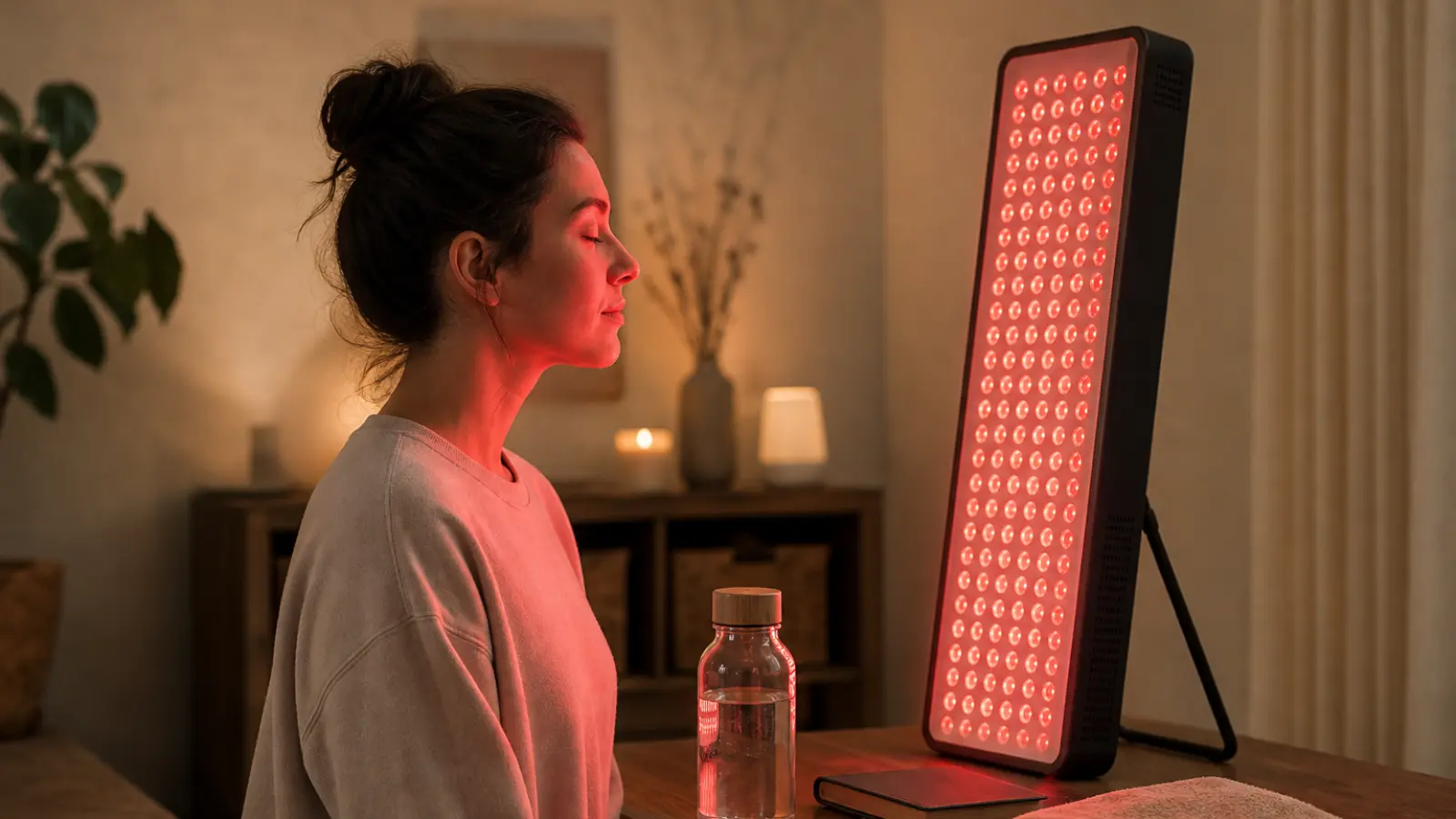


Red light therapy has gone from fringe biohack to mainstream wellness tool over the past decade. But with panels ranging from $100 to $2,000, and claims ranging from “improved energy” to “reverses Alzheimer’s,” it’s reasonable to ask: is any of this real, and is it worth your money?
Here’s an evidence-based answer — honest about both what RLT can and can’t do.
What the Evidence Actually Supports
Some applications of red light therapy have strong, consistent clinical evidence behind them. These are not fringe claims — they’re supported by systematic reviews, meta-analyses, and Cochrane Reviews:
- Wound healing: Consistently accelerated in clinical trials, particularly for chronic wounds and post-surgical recovery.
- Arthritis pain: Cochrane Review-level evidence for short-term pain relief in rheumatoid arthritis. Multiple RCTs support knee OA pain reduction.
- Muscle recovery: Strong meta-analytic evidence for reduced DOMS and faster recovery from intense exercise.
- Skin rejuvenation: Well-supported for collagen synthesis, fine line reduction, and skin texture improvement.
- Hair loss: FDA-cleared devices for androgenetic alopecia; solid clinical evidence for improved hair density.
What’s Promising But Still Emerging
Several applications have compelling early evidence but need larger trials before firm conclusions:
- Depression and anxiety: Pilot RCTs show meaningful effects from transcranial PBM. More data needed.
- Thyroid function (Hashimoto’s): Remarkable results in early studies; needs replication.
- Brain health and cognitive enhancement: Strong mechanistic basis; early human evidence is positive.
- Testosterone: Rodent studies compelling; human evidence is limited.
What Doesn’t Have Strong Evidence
Be skeptical of sweeping claims about weight loss, cancer treatment, or dramatic anti-aging effects from red light therapy. Some of these have preliminary animal data; most lack robust human evidence. PBM is a powerful tool for specific, well-defined applications — it’s not a panacea.
The Honest Economics
A quality panel is worth considering if it delivers even a fraction of the results seen in arthritis, recovery, or skin studies, it pays for itself quickly. At $50/clinical session, it breaks even in 20 sessions. The key is consistent daily use — sporadic use will not produce the cumulative results seen in the research.
A cheap $100 Amazon panel with unknown wavelength accuracy and poor build quality is effectively money wasted — you’re not getting the therapeutic doses described in the literature. A mid-range panel from a reputable brand is the minimum investment for real results.
One Important Caveat: Irradiance Claims
There are no industry standards for how irradiance is measured. Any brand claiming above 100 mW/cm² should be asked to provide third-party testing data at a standardised distance. Look for brands that publish their irradiance measurements with full methodology — like Mito Red Light, which maintains detailed third-party testing records. This matters because dose depends on actual output, and inflated numbers produce misleading dose calculations.
Verdict
For the right applications and with a quality panel: yes, red light therapy is worth it. The evidence for inflammation, pain, recovery, skin, and wound healing is genuinely solid. The emerging applications (brain health, mood, thyroid) are compelling enough to be worth monitoring and, for many users, trying.
Affiliate Disclosure: Some links on this page are affiliate links. If you purchase through them, we may earn a small commission at no extra cost to you. We only recommend products we have independently evaluated.