
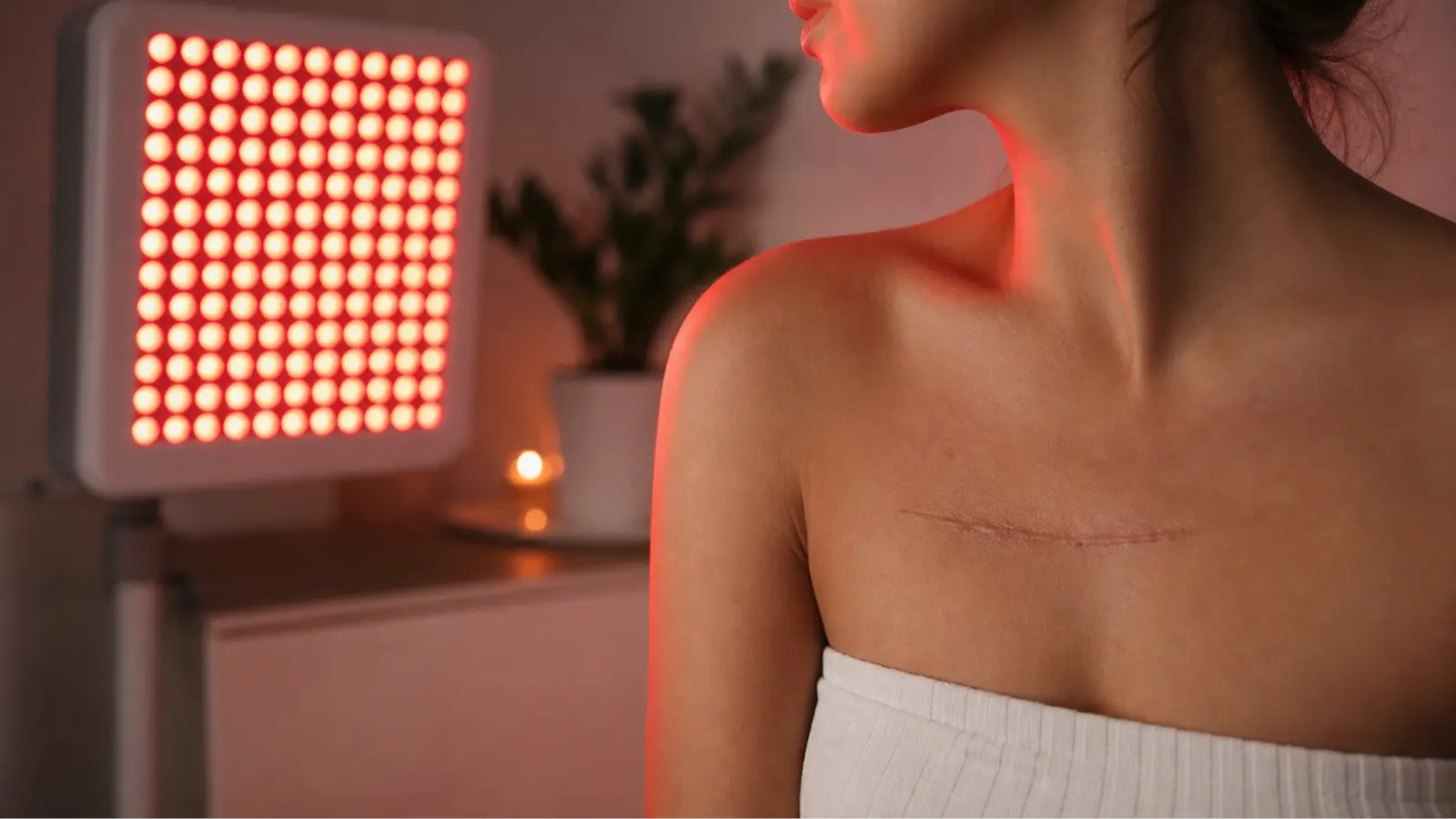
Scars are a normal part of the body’s repair process, but that does not mean everyone wants to live with redness, tightness, raised texture, or lingering discoloration. Whether a scar comes from surgery, acne, a burn, an injury, or a C-section, many people look for gentle ways to help it look softer, flatter, and less noticeable over time.
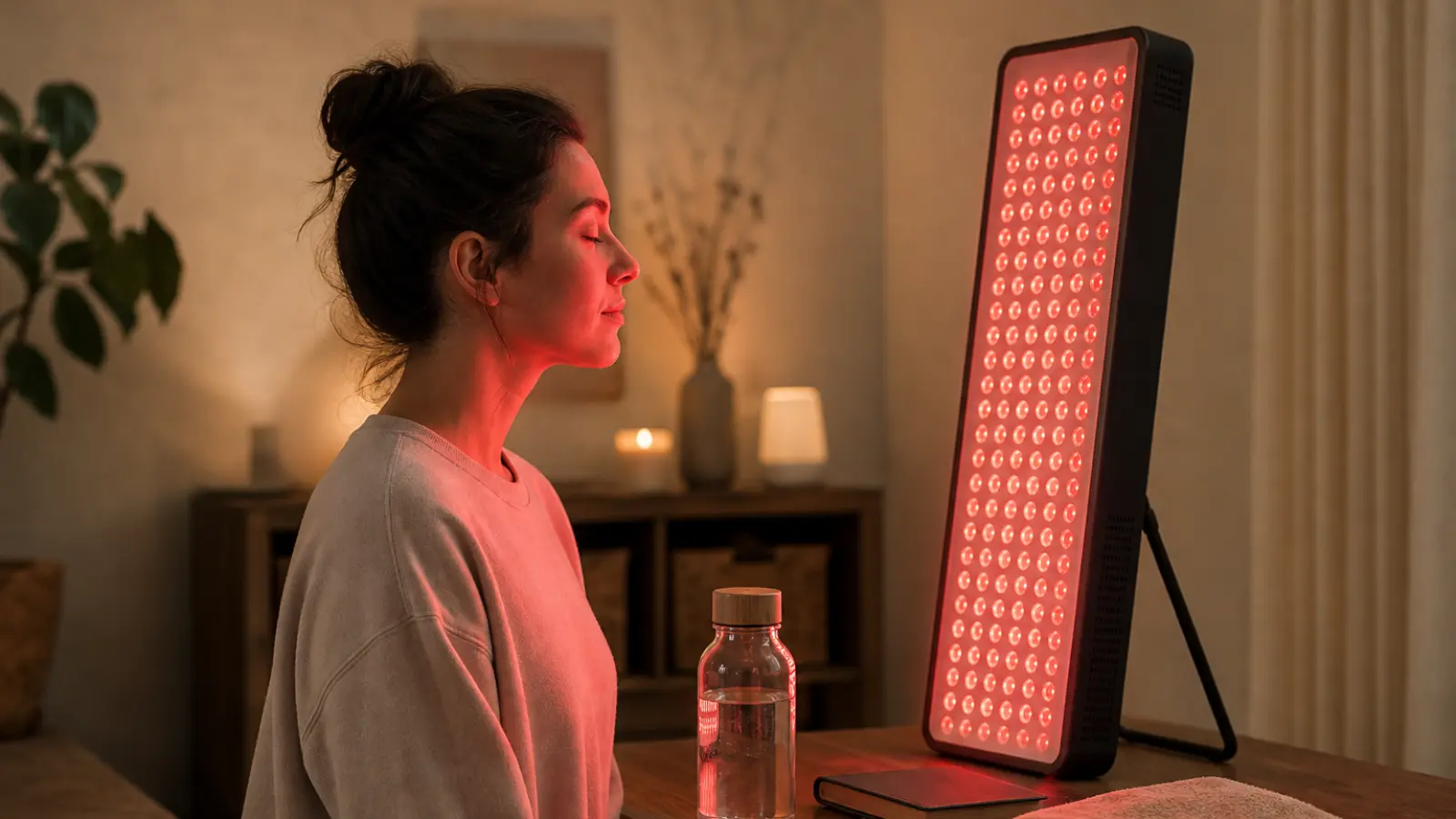
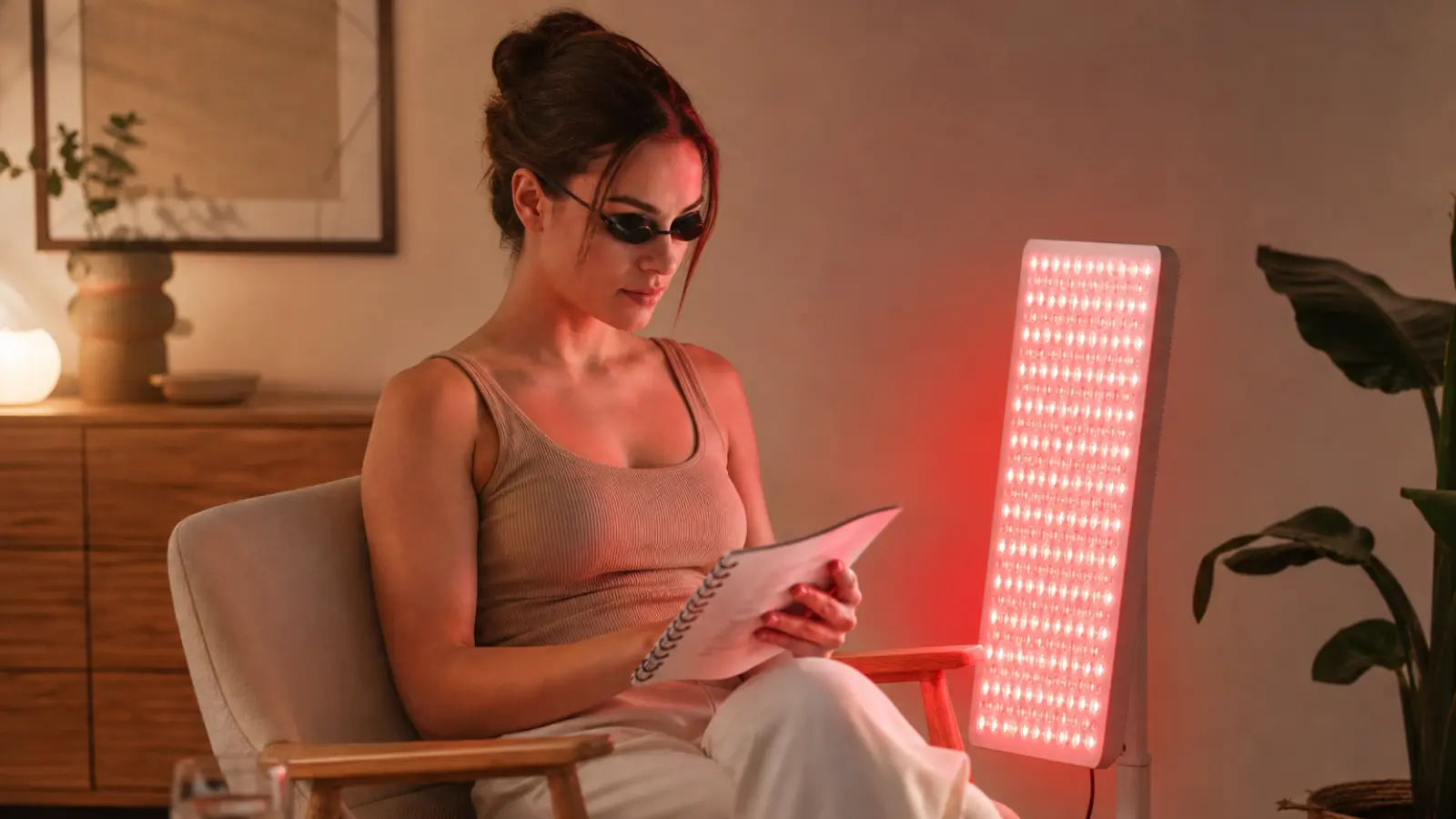
One treatment that often comes up is red light therapy. Also known as photobiomodulation, red light therapy uses specific wavelengths of red and near-infrared light to support cellular activity in the skin. It is commonly discussed for skin texture, recovery, inflammation, and collagen support. But can it actually help scars?
Quick Answer
Can red light therapy help with scars?
Red light therapy may help soften the appearance of some scars by supporting collagen remodeling, calming visible redness, and improving the look of skin texture over time. It is most realistic as a supportive scar-care tool, not a treatment that erases scars or dramatically flattens thick keloids on its own.
How Scars Form
When the skin is injured, the body quickly begins repairing the damaged area. Part of that repair process involves producing collagen, the structural protein that helps close and strengthen the wound.
In normal skin, collagen is arranged in a more organized pattern. In scar tissue, collagen is often laid down quickly and less evenly. This can lead to a scar that looks or feels different from the surrounding skin.
A scar may appear red, pink, raised, firm, darker or lighter than the surrounding skin, tight, itchy, tender, thickened, rope-like, indented, or pitted. Over time, scars often change. A new scar may look red and raised at first, then gradually become flatter, softer, and lighter as the skin continues remodeling. This remodeling process can take months to years.
Evidence Meter
How strong is the evidence for red light therapy and scars?
Bottom line: red light therapy has a plausible biological basis for scar remodeling, but results vary by scar type, scar age, device quality, and consistency of use.
What Red Light Therapy May Do for Scar Appearance
Red light therapy does not “melt” scar tissue or make a scar disappear overnight. Instead, it may help create a better environment for the skin’s natural repair and remodeling process.
Red and near-infrared light are thought to influence cellular energy, inflammation, fibroblast activity, and extracellular matrix remodeling. Fibroblasts are important because they help produce collagen and other structural components of the skin.
How It Works
Does red light therapy break down scar tissue?
Red light therapy does not physically break apart scar tissue. A better way to describe the process is collagen remodeling.
During remodeling, the body may gradually reorganize collagen fibers, reduce excess stiffness, and improve the way scar tissue blends with surrounding skin. Red light therapy may support this process by influencing cellular activity, inflammation, and the skin’s repair environment.
Collagen Remodeling: The Real Scar-Softening Process
When people talk about “breaking down scar tissue,” they are usually referring to collagen remodeling.
Scar tissue is made largely of collagen and extracellular matrix. In the early stages of healing, the body lays this material down quickly to close and protect the wound. Later, the body can remodel that tissue by reorganizing collagen fibers, reducing excess density, and improving pliability.
This is why many scars naturally become flatter and softer over time.
Red light therapy may be relevant because photobiomodulation is often studied for its effects on fibroblasts, inflammation, wound repair signaling, and matrix remodeling. In simple terms, red light may help nudge the tissue toward a more balanced repair process.
That said, results depend on the type of scar, age of the scar, skin type, device quality, consistency, and whether the scar is still actively remodeling.
Scar Type Guide
Which scars may respond best to red light therapy?
| Scar Type | Potential Benefit | Realistic Expectation |
|---|---|---|
| New surgical scars | May support collagen remodeling and calmer-looking skin | Softer, flatter, less red over time |
| C-section scars | May help appearance, tenderness, and firmness after healing | Less noticeable, but not invisible |
| Hypertrophic scars | May support redness, itch, and texture improvement | Best combined with silicone or clinical care |
| Keloids | Limited standalone value | Usually needs dermatologist treatment |
| Pitted acne scars | May help redness or general skin recovery | Procedures usually work better for indentations |
When to Use Red Light Therapy on a Scar
Red light therapy should not be used on a fresh surgical incision unless a healthcare provider specifically approves it. For most at-home scar care, it is best to wait until the wound is fully closed, dry, and healed.
Do not use red light therapy directly on a scar if the area is open, bleeding, infected, draining fluid, increasingly painful, hot, swollen, worsening, or not cleared after surgery.
If the scar is from a C-section surgery, or a significant injury, ask your clinician when it is safe to start scar treatments.
Mini Guide
How to use red light therapy for a healed scar
Wait until the skin is fully closed
Do not use red light therapy on an open, scabbed, draining, infected, or unhealed incision unless your clinician specifically approves it.
Pair it with silicone scar care
Silicone gel or silicone sheets are common at-home options for supporting flatter, softer-looking scars.
Use gentle scar massage when cleared
Massage may help with tightness, sensitivity, and tissue mobility, especially for surgical or C-section scars.
Be consistent, but avoid overuse
Follow your device instructions. More exposure is not always better, and irritated skin should be given a break.
Protect the scar from UV exposure
Sun exposure can make discoloration more persistent, especially while a scar is still maturing.
What Results Are Realistic?
With consistent care, red light therapy may help a scar look softer, calmer, less red, less irritated, slightly flatter, more even in texture, and less noticeable overall.
But red light therapy usually will not completely remove a scar, dramatically flatten a thick keloid, release deep adhesions on its own, fill in pitted acne scars, or replace medical scar treatments when needed.
For many people, the best outcome is not “scarless skin.” It is a scar that feels more comfortable and blends better with the surrounding skin.
Pros and cons of red light therapy for scars
Potential Pros
- Non-invasive
- May support collagen remodeling
- May reduce the look of redness
- May help skin feel calmer and less tight
- Can be combined with silicone and massage
Limitations
- Will not erase scars
- Results are gradual and variable
- Less useful for deep pitted scars
- Not a primary treatment for keloids
- At-home devices are usually less powerful than clinical options
When to See a Dermatologist
Consider seeing a dermatologist if your scar is growing beyond the original wound, becoming very raised or thick, causing pain or itching, restricting movement, getting darker, changing quickly, or not improving after several months.
It is also worth getting professional guidance if the scar is causing significant cosmetic concern or if you have a history of keloids. Different scars respond to different treatments, and a dermatologist can help determine whether your scar may respond best to silicone, steroid injections, laser therapy, microneedling, prescription treatments, or a combination plan.
Final Thoughts
Red light therapy may help support scar remodeling, especially when the goal is to soften the appearance of a healed scar over time. It is most useful when paired with proven scar-care basics like silicone, sun protection, gentle massage, and patience.
For a C-section scar or other surgical scar, think of red light therapy as a supportive add-on rather than a magic eraser. It may help the scar look calmer, softer, flatter, and less noticeable, but the best results usually come from a consistent routine and realistic expectations.
FAQ
Can red light therapy remove scars?
No. Red light therapy may help soften the appearance of some scars, but it should not be expected to remove a scar completely. The goal is usually a scar that looks calmer, flatter, softer, and less noticeable over time.
Is red light therapy good for C-section scars?
Red light therapy may be helpful for a C-section scar once the incision is fully closed and healed. It may support collagen remodeling, redness reduction, and a softer-looking scar, especially when paired with silicone scar care and gentle massage after medical clearance.
Does red light therapy work on old scars?
Older scars may be less responsive than newer scars because they are no longer actively remodeling as much. However, some people may still notice improvements in texture, comfort, or visible redness. Thick, raised, tethered, or keloid scars may need professional treatment.
Is red light or amber light better for scars?
Red and near-infrared light are more commonly discussed for scar remodeling support. Amber or yellow light may be more relevant for visible tone, redness, or pigmentation concerns, but it is not typically considered the main wavelength range for deeper scar remodeling.
When should you avoid red light therapy on a scar?
Avoid using red light therapy on an open, infected, draining, painful, or unhealed wound unless a healthcare provider specifically recommends it. For surgical scars, including C-section scars, wait until the incision is fully healed and cleared before starting scar treatments.
Research Links
Red and Near-Infrared Photobiomodulation for Burn, Hypertrophic, and Post-Surgical Scars
https://pmc.ncbi.nlm.nih.gov/articles/PMC13106236/
Visible Red Light Emitting Diode Photobiomodulation for Skin Fibrosis
https://pmc.ncbi.nlm.nih.gov/articles/PMC4848333/
Scars: Diagnosis and Treatment — American Academy of Dermatology
https://www.aad.org/public/diseases/a-z/scars-treatment
Silicone Gel Sheeting for Treating Hypertrophic Scars — Cochrane
https://www.cochrane.org/evidence/CD013357_silicone-gel-sheeting-treating-hypertrophic-scars
Red and Near-Infrared Photobiomodulation for Burn, Hypertrophic, and Post-Surgical Scars — Springer
https://link.springer.com/article/10.1007/s10103-026-04875-8