
The use of red light therapy for thyroid conditions, particularly Hashimoto’s thyroiditis and hypothyroidism, has generated interest since a notable Brazilian clinical study was published in 2013. Here’s an honest look at the evidence.
New to photobiomodulation? Explore the complete Red Light Therapy Guide covering wavelengths, dosing, treatment distance, near infrared light, and how modern red light therapy panels work.
The Key Study
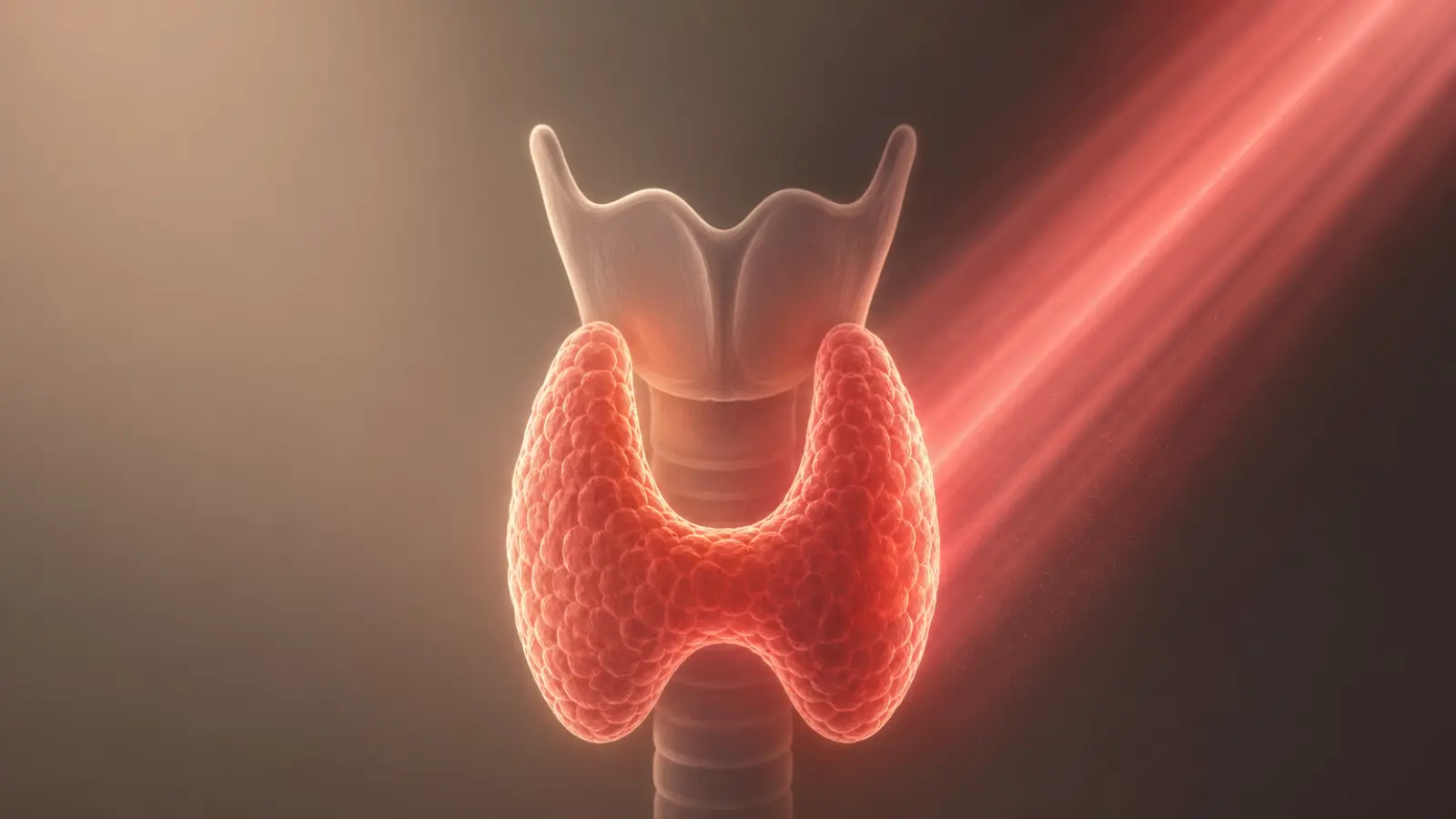
The most widely discussed clinical study in this area is a randomized, placebo-controlled trial by Höfling et al., published in Lasers in Medical Science. The researchers evaluated low-level laser therapy in patients with hypothyroidism caused by chronic autoimmune thyroiditis (Hashimoto’s disease). Participants received 10 sessions of 830nm near-infrared light applied directly to the thyroid region, with outcomes tracked over several months.
The findings were promising: compared to the placebo group, treated patients required significantly lower average levothyroxine doses during follow-up, showed reductions in thyroid peroxidase antibody (TPO-Ab) levels, and demonstrated improved thyroid tissue appearance on ultrasound imaging. Some participants also maintained normal thyroid hormone levels for extended periods after treatment.
| Study Detail | Findings |
|---|---|
| Study | Höfling et al. randomized placebo-controlled trial |
| Publication | Lasers in Medical Science |
| Condition Studied | Hashimoto’s thyroiditis / hypothyroidism |
| Treatment Protocol | 10 sessions of 830nm near infrared light applied to the thyroid region |
| Reported Outcomes | Lower levothyroxine requirements, reduced TPO antibodies, improved thyroid ultrasound appearance, and sustained thyroid function improvements in some participants |
| Key Limitation | Small study size with limited independent replication to date |
Follow-Up Research
The original Höfling trial included a 9 month follow up period, during which researchers continued monitoring thyroid hormone levels, antibody markers, and medication requirements. Some of the improvements observed after treatment, including lower levothyroxine requirements and improved thyroid function markers, appeared to persist during follow up in portions of the treatment group.
Since then, additional small studies and review papers have explored photobiomodulation for Hashimoto’s thyroiditis and hypothyroidism, with several reporting similar trends such as reduced thyroid antibody levels, improved ultrasound appearance of thyroid tissue, and potential reductions in medication requirements. However, the overall evidence base remains limited, and researchers continue to emphasize the need for larger independent clinical trials using standardized treatment protocols.
Proposed Mechanisms
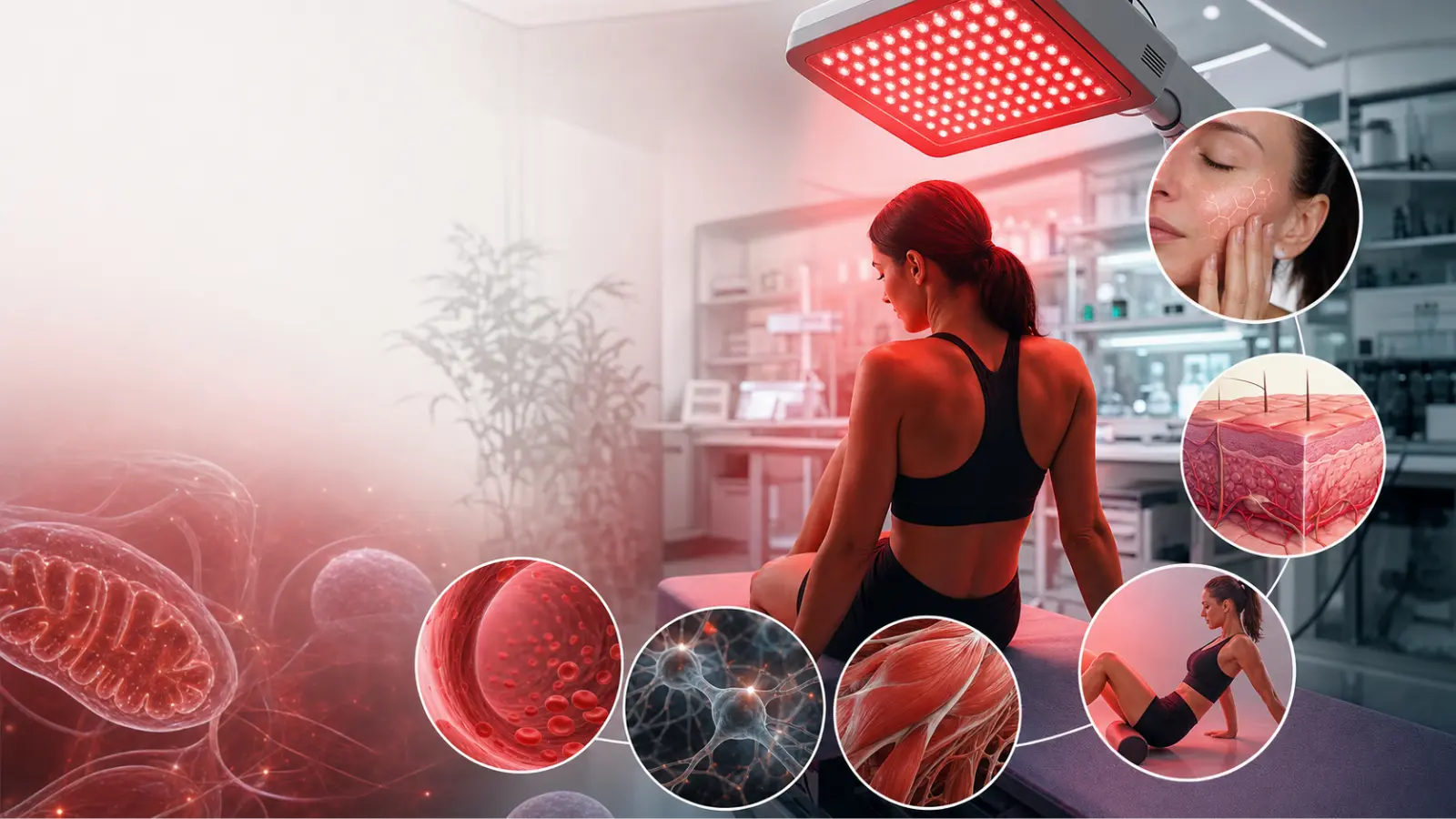
The thyroid is a highly vascularized gland with substantial mitochondrial activity, making it a plausible target for photobiomodulation. Researchers have proposed several mechanisms that may help explain the observed effects, including improved microcirculation within thyroid tissue, modulation of local inflammatory and autoimmune activity, support for mitochondrial energy production in thyroid cells, and broader effects on cellular signaling and oxidative stress pathways.
The thyroid is one of the most metabolically active glands in the body, with substantial blood flow and mitochondrial activity. Researchers have proposed several biological pathways that may help explain the effects observed in early PBM studies:
Key Points
- Support for mitochondrial energy production in thyroid cells
- Improved circulation and oxygen delivery within thyroid tissue
- Modulation of inflammatory and autoimmune signaling
- Effects on oxidative stress and cellular repair pathways
- Potential influence on broader metabolic and endocrine signaling
Important Caveats
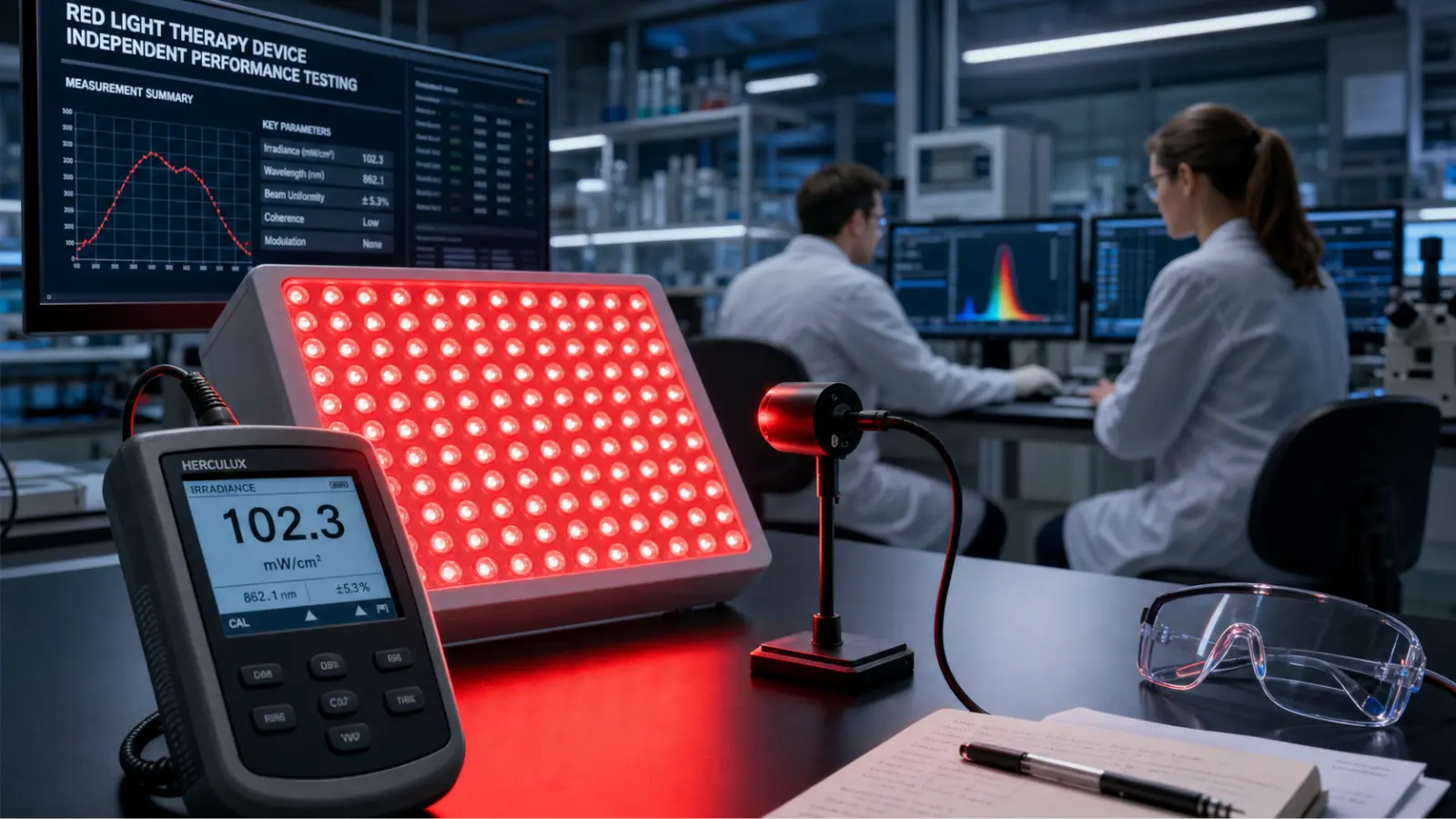
The evidence base here is promising but still limited. The original studies used a specific clinical photobiomodulation protocol involving 830nm near-infrared light applied directly to the thyroid region, and independent replication in larger trials remains limited. Consumer red light therapy panels are not identical to the clinical devices used in these studies, and the ability to reproduce the same results at home has not been rigorously studied.
Clinical Studies → Small but promising early human trials
Treatment Protocols → Highly specific clinical dosing and device parameters
Home Devices → Not directly equivalent to clinical research equipment
Current Limitation → Limited large-scale independent replication
Research Status → Encouraging, but still early-stage overall
Do not adjust thyroid medication without medical supervision. If you’re interested in using photobiomodulation for thyroid support, discuss it with your endocrinologist and continue monitoring thyroid function through regular blood testing.
The Bottom Line
Research on photobiomodulation and thyroid function is promising and biologically plausible, particularly in the context of Hashimoto’s thyroiditis. The Höfling studies are among the most frequently cited clinical investigations in this area and reported meaningful improvements in several thyroid-related outcomes. However, the current evidence base remains limited, with relatively small studies and limited independent replication. More large-scale clinical trials are needed before standardized treatment protocols can be established, especially for home use applications.
Medical Disclaimer: This article is intended for general wellness and educational purposes only and is not medical advice. Research on photobiomodulation and red light therapy is ongoing, and responses may vary between individuals. Consult a qualified healthcare professional regarding injuries, chronic pain, eye conditions, or medical concerns before beginning any new wellness protocol.
Affiliate Disclosure: Some links on this page are affiliate links. If you purchase through them, we may earn a small commission at no extra cost to you. We only recommend products we have independently evaluated.
FAQ
Can red light therapy help Hashimoto’s thyroiditis?
Early studies suggest red light therapy may support thyroid function and reduce thyroid antibodies in some people with Hashimoto’s. Researchers say the evidence is promising, but larger clinical trials are still needed.
What wavelength was used in thyroid red light therapy studies?
The main clinical study used 830nm near-infrared light applied directly to the thyroid. This wavelength is commonly studied in photobiomodulation research because of its tissue penetration depth.
Do home red light therapy devices work for thyroid health?
Home devices may differ from clinical equipment, and results have not been fully validated in large studies. Treatment outcomes can vary depending on device quality, power output, and treatment protocol.
How does photobiomodulation affect the thyroid?
Researchers believe it may improve circulation, mitochondrial function, and inflammatory signaling in thyroid tissue. These mechanisms may help support healthier thyroid cell activity and recovery.
Can I stop thyroid medication if I use red light therapy?
No. Always consult your doctor before changing thyroid medication or treatment plans. Regular blood testing is important to safely monitor thyroid hormone levels and symptoms.
Research References
Höfling DB et al. Randomized placebo-controlled trial of low-level laser therapy for chronic autoimmune thyroiditis https://pubmed.ncbi.nlm.nih.gov/22718472/
Assessment of the effects of low-level laser therapy on thyroid vascularization in autoimmune hypothyroidism https://pmc.ncbi.nlm.nih.gov/articles/PMC3534372/
Clinical trial registry for low-level laser therapy in chronic autoimmune thyroiditis https://clinicaltrials.gov/study/NCT01129492
Review of low-level laser therapy in autoimmune thyroiditis https://theforensicnurse.org/downloads/Journal-of-Lasers-in-Medical-Science.pdf
Pilot study on low-level laser therapy in chronic autoimmune thyroiditis https://pubmed.ncbi.nlm.nih.gov/20662037/