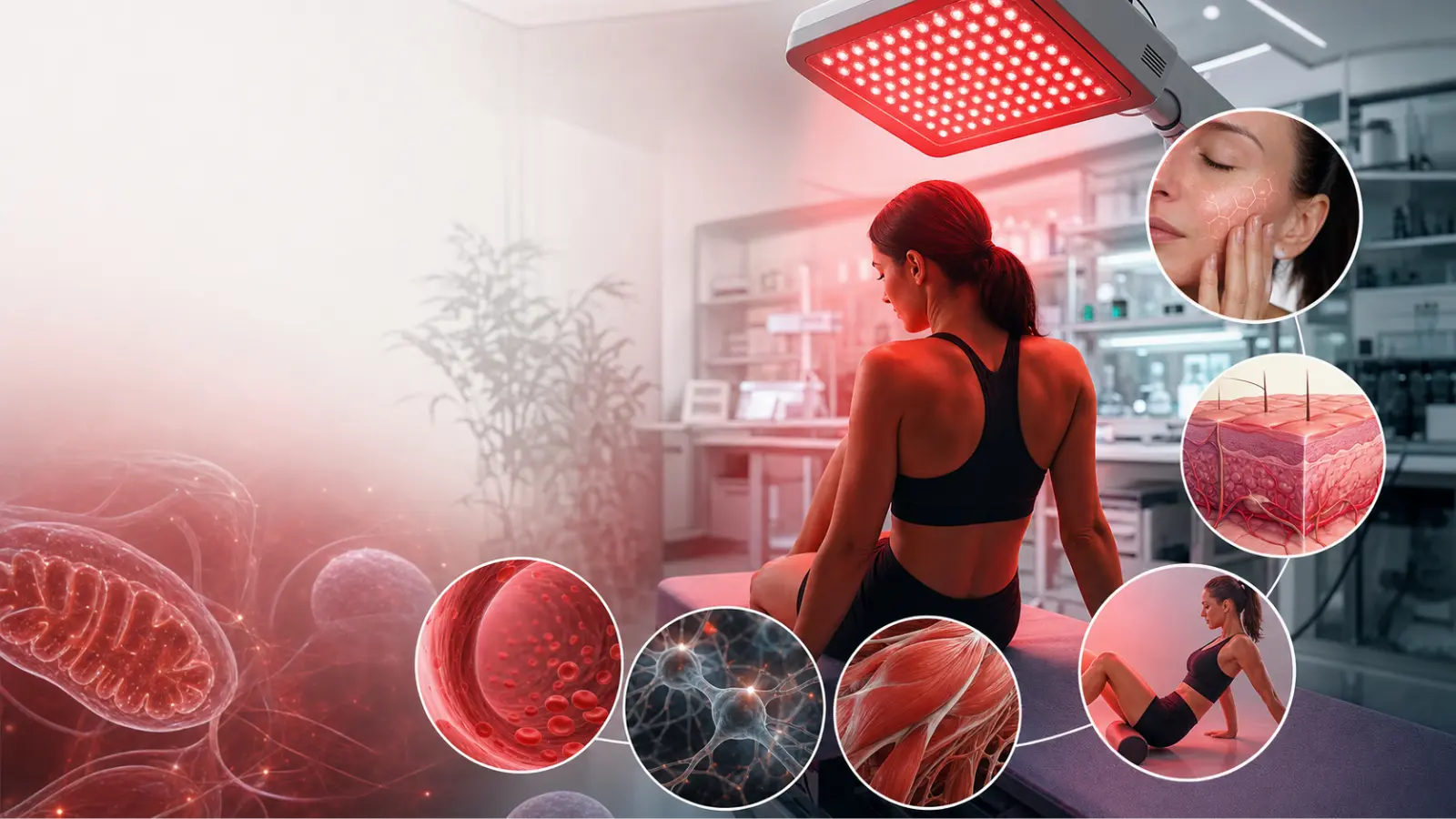

Muscle recovery is one of the strongest evidence areas for red light therapy and one that extends beyond elite athletics to anyone who trains regularly. Photobiomodulation (PBM), also known as red light therapy or low-level light therapy, has been studied for its potential effects on delayed onset muscle soreness (DOMS), muscle fatigue, exercise performance, and recovery between training sessions.
Research in this area spans resistance training, endurance exercise, sprint performance, and broader sports recovery applications. While treatment protocols, wavelengths, and dosing strategies vary substantially between studies, the overall evidence trend is encouraging for recovery and performance support.
New to photobiomodulation? Explore the complete Red Light Therapy Guide covering wavelengths, dosing, treatment distance, near infrared light, and how modern red light therapy panels work.
Quick Answer
Research suggests red and near-infrared light therapy may support muscle recovery by influencing mitochondrial energy production, oxidative stress, inflammation, and circulation. Evidence appears strongest for reducing fatigue and supporting performance when PBM is used before exercise, while post-exercise use may help reduce soreness and recovery-related biomarkers in some studies.
What the Research Shows
A major 2016 review published in Journal of Biophotonics evaluated dozens of studies investigating photobiomodulation for exercise performance and muscle recovery. Researchers reported evidence suggesting PBM may help reduce muscle fatigue, improve exercise performance metrics, and support post-exercise recovery.
Additional studies investigating post-workout PBM have reported reductions in delayed onset muscle soreness (DOMS) along with changes in biomarkers associated with muscle stress and inflammation, including creatine kinase (CK), lactate dehydrogenase (LDH), and inflammatory signaling molecules.
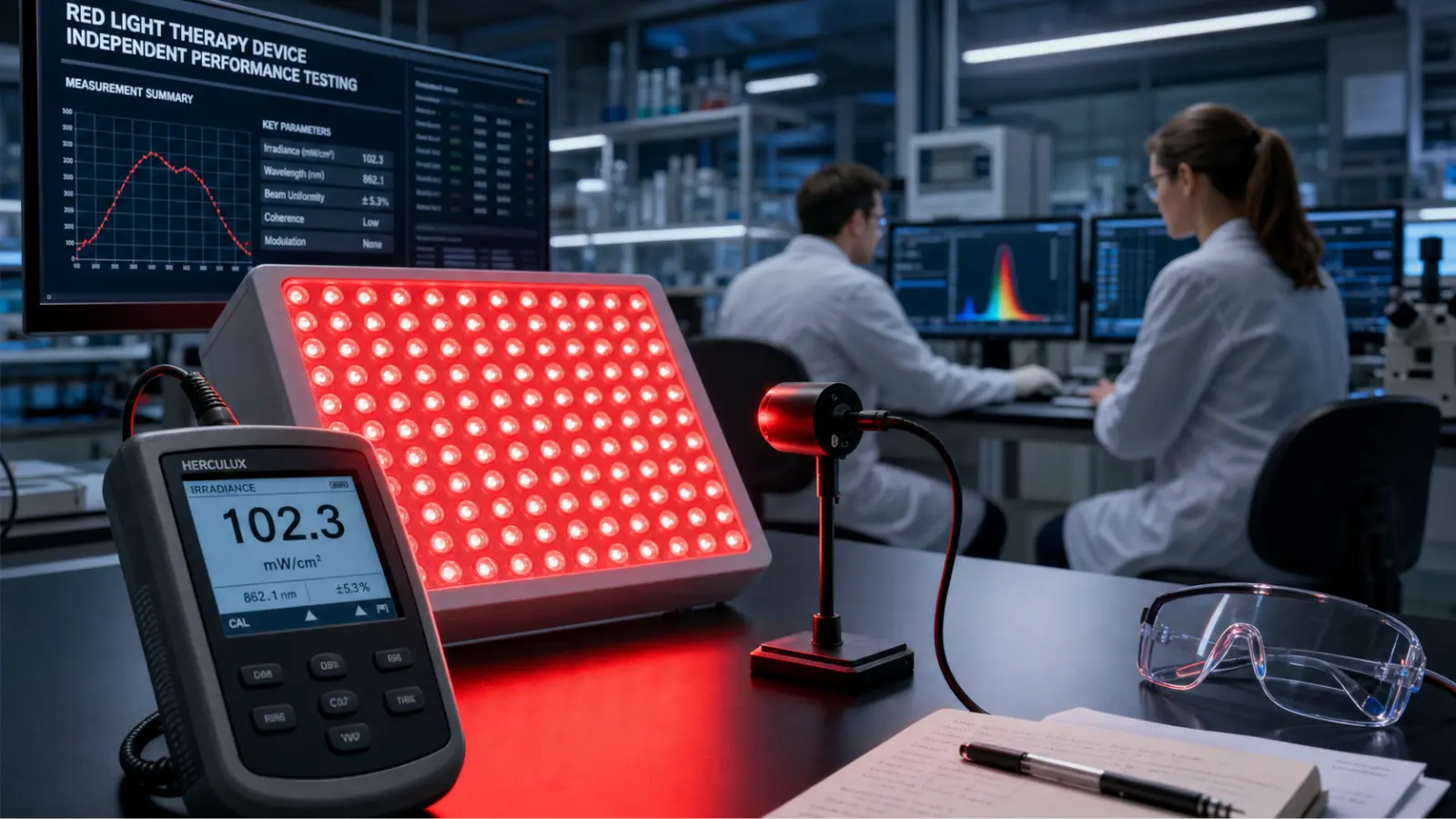
Although results vary depending on wavelength, dosing, treatment timing, and device output, muscle recovery remains one of the more consistently studied applications of photobiomodulation.
| Research Area | What Studies Suggest |
|---|---|
| Pre-exercise PBM | May reduce fatigue and improve performance metrics such as repetitions, torque, or time to exhaustion |
| Post-exercise PBM | May help reduce soreness and recovery-related inflammation in some studies |
| Muscle damage markers | CK and LDH are commonly studied, though outcomes vary between protocols |
| Performance recovery | Some evidence suggests faster return to baseline strength after intense exercise |
| Research limitations | Protocols vary widely by wavelength, dose, timing, and device type |
Key Findings Across Studies
Research investigating photobiomodulation and muscle recovery has reported several recurring trends:
- Lower perceived muscle soreness after training
- Reduced creatine kinase levels in some studies
- Preserved force production following intense exercise
- Faster recovery between training sessions
- Reduced muscle fatigue during repeated performance tests
- Early evidence suggesting possible mitochondrial adaptations with repeated PBM and exercise
Not every study reports the same outcomes, but the broader literature generally supports PBM as a potentially useful recovery and performance-support tool.
How Red Light Therapy May Influence Muscle Recovery
Photobiomodulation research for muscle recovery primarily focuses on near-infrared wavelengths between approximately 810nm and 850nm because they penetrate deeper into soft tissue than visible red light.
Researchers believe PBM may influence recovery through several biological pathways, including:
Pre-Workout vs. Post-Workout Use
Pre-Workout Use
Pre-exercise photobiomodulation currently has some of the strongest evidence in the sports performance literature. Several studies suggest treating muscles shortly before training may help support energy metabolism, reduce fatigue, and improve performance during exercise.
Researchers sometimes describe this as a “priming” effect, where muscles may become more resistant to exercise-induced fatigue and stress.
Post-Workout Use
Post-exercise PBM is more commonly associated with recovery-related outcomes. Studies have reported reductions in soreness, recovery biomarkers, and perceived fatigue following intense exercise.
Rather than eliminating the training response itself, PBM may help reduce excessive inflammation and oxidative stress that delay recovery between sessions.
Practical Takeaway
Pre-workout PBM may be more useful when performance is the priority. Post-workout PBM may be more useful when soreness and recovery are the priority. Many athletes use both approaches depending on training demands.
Best Wavelengths for Muscle Recovery
Near-infrared wavelengths are commonly emphasized in muscle recovery research because they appear capable of penetrating more deeply into muscle tissue than visible red light.
| Wavelength | Common Research Focus |
|---|---|
| 660nm Red Light | Surface tissue support and circulation |
| 810nm Near Infrared | Muscle performance and recovery research |
| 830nm Near Infrared | Musculoskeletal recovery applications |
| 850nm Near Infrared | Deep tissue recovery and sports performance |
Many full-body PBM panels combine visible red and near-infrared wavelengths to target multiple tissue depths simultaneously.
Practical Protocol for Athletes
Step 1 → Pre-Workout Session
Use red light therapy approximately 5 to 10 minutes before training when performance and fatigue resistance are the priority.
Step 2 → Position the Device
Target the primary muscle groups being trained. Full-body panels work best for broader coverage, while smaller devices can target isolated areas.
Step 3 → Session Duration
Treat each major muscle group for approximately 5 to 10 minutes depending on device output and treatment area.
Step 4 → Choose Appropriate Wavelengths
Near-infrared wavelengths between 810nm and 850nm are most commonly studied for muscle recovery, often combined with 660nm red light.
Step 5 → Post-Workout Recovery
Apply another short session after training if soreness reduction and recovery support are the primary goals.
Step 6 → Stay Consistent
Most studies use repeated sessions several times per week. Consistency over time appears more important than occasional long sessions.
Recommended Full-Body Recovery Blankets
| Product | Best For | Price Range |
|---|---|---|
| Mito Red Light MitoPOD | Full-body pod with ideal wavelengths 660nm, 810nm and 830nm. Contains 2,320 LED diodes, 62” x 24” size. | $1,615–1,699 |
| Hooga Health Full Body Blanket | Full body pod with basic 660nm and 850nm wavelengths. Contains 2,680 LED diodes, XL 71″ x 32″ size. | $1,232–1,399 |
Important Limitations
Even with encouraging research, photobiomodulation is not a shortcut around the fundamentals of recovery. Device quality, treatment consistency, sleep, nutrition, hydration, and overall training load still play a major role in how well athletes recover between sessions.
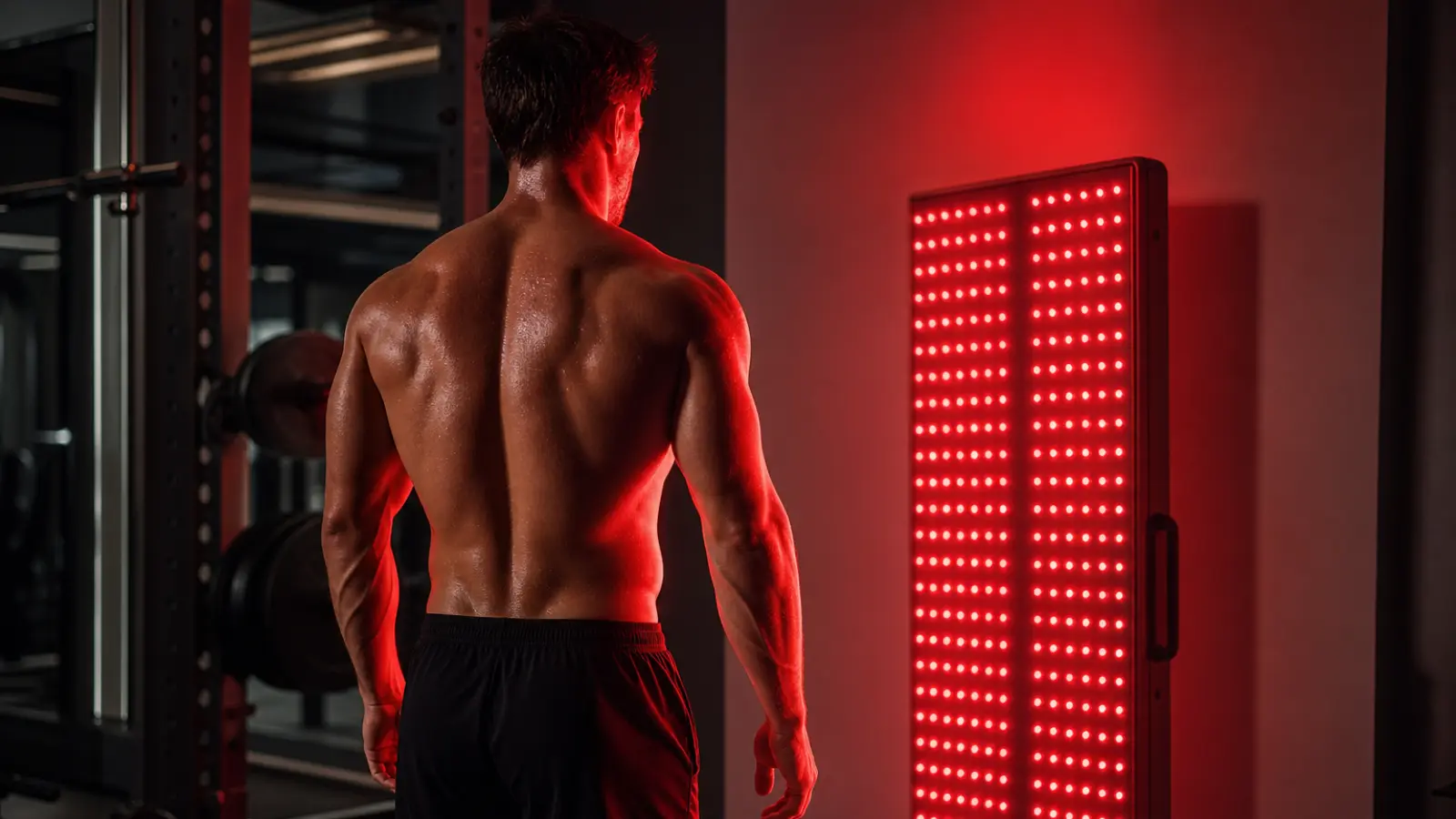
For people looking to incorporate red light therapy into a broader recovery routine, full-body devices are often preferred because they allow larger muscle groups to be treated efficiently before or after training.
| Current Research Limitations | Recovery Fundamentals Still Matter |
|---|---|
| Treatment protocols vary widely between studies | Proper sleep |
| Many studies remain relatively small | Nutrition and protein intake |
| Device quality and irradiance differ significantly | Hydration |
| Optimal dosing parameters are still debated | Progressive training |
| Outcomes vary between individuals | Recovery days and workload management |
Photobiomodulation appears most useful as a supportive recovery tool alongside broader evidence-based training and recovery practices.
What the Research Suggests
While the research on photobiomodulation and muscle recovery is encouraging, several limitations remain. Treatment protocols vary significantly between studies, including differences in wavelength selection, irradiance, timing, treatment distance, and session duration. Many studies also involve relatively small participant groups, making it difficult to establish universally accepted protocols.
Results can also vary substantially depending on the individual, training intensity, recovery status, sleep quality, and overall program design. More light is not always better, and researchers are still working to determine optimal dosing strategies for different recovery goals.
Where PBM May Help
- May support recovery between training sessions
- May reduce soreness and perceived fatigue
- May help athletes maintain training consistency
- May support circulation and recovery-related cellular processes
What PBM Does Not Replace
- Proper sleep and recovery
- Nutrition and hydration
- Progressive training programs
- Rest days and workload management
- Evidence-based coaching and recovery practices
Photobiomodulation is best viewed as a supportive recovery tool that may complement a broader training and recovery strategy rather than replace the fundamentals that drive long-term performance and adaptation.
Medical Disclaimer: This article is intended for general wellness and educational purposes only and is not medical advice. Research on photobiomodulation and red light therapy is ongoing, and responses may vary between individuals. Consult a qualified healthcare professional regarding injuries, chronic pain, eye conditions, or medical concerns before beginning any new wellness protocol.
Affiliate Disclosure: Some links on this page are affiliate links. If you purchase through them, we may earn a small commission at no extra cost to you. We only recommend products we have independently evaluated.
FAQ
Research References
Photobiomodulation in human muscle tissue: an advantage in sports performance? https://pmc.ncbi.nlm.nih.gov/articles/PMC5167494/
THE EFFECT OF RED LIGHT THERAPY (PHOTOBIOMODULATION) ON MUSCLE RECOVERY AND PHYSICAL PERFORMANCE IN ATHLETES https://www.researchgate.net/publication/396037552_THE_EFFECT_OF_RED_LIGHT_THERAPY_PHOTOBIOMODULATION_ON_MUSCLE_RECOVERY_AND_PHYSICAL_PERFORMANCE_IN_ATHLETES
Effects of Photomodulation Therapy for Delayed Onset Muscle Soreness: A Systematic Review and Meta-Analysis https://www.mdpi.com/2411-5142/10/3/277
Photobiomodulation as Medicine: Low-Level Laser Therapy for Injury Prevention, Muscle Recovery, and Sports Performance https://pmc.ncbi.nlm.nih.gov/articles/PMC11503318/
A systematic review on whole-body photobiomodulation for exercise performance and recovery https://link.springer.com/article/10.1007/s10103-025-04318-w