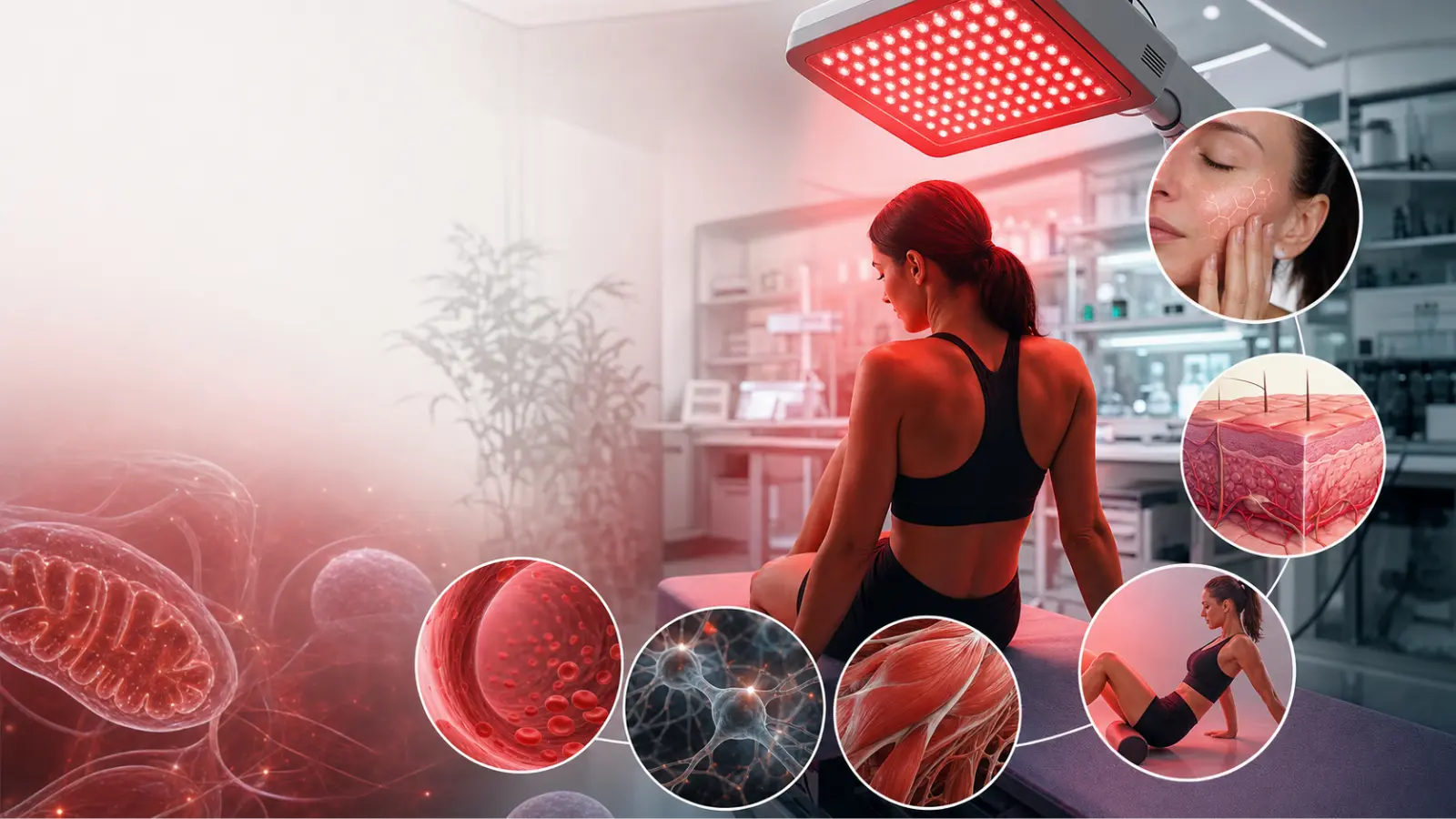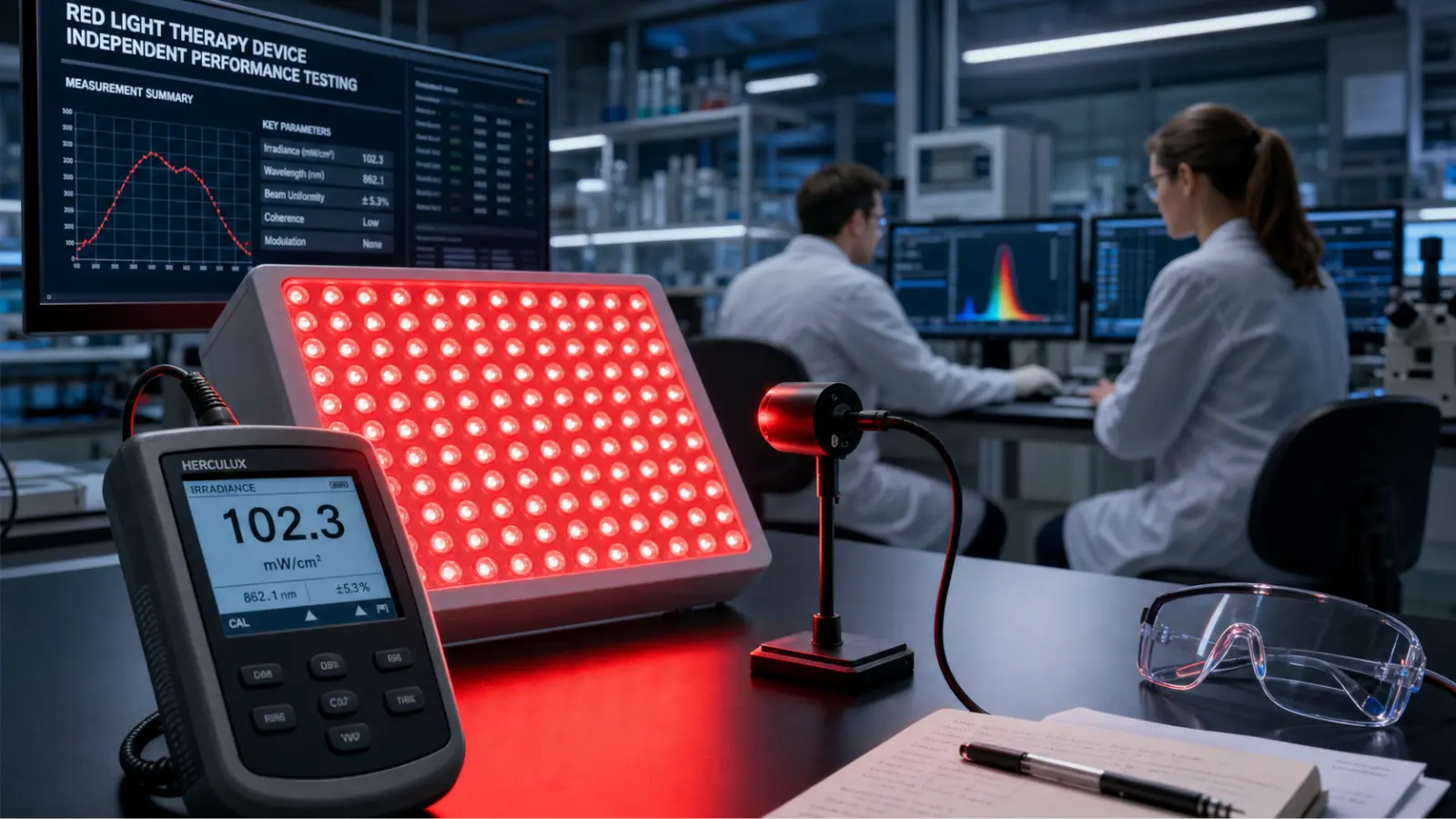


Inflammation is one of the most widely studied targets of photobiomodulation (PBM), also known as red light therapy. Researchers have spent decades investigating how red and near infrared light interact with inflammatory pathways, mitochondrial function, and tissue recovery.
While the evidence varies by condition and treatment protocol, the overall research trend is promising. Studies have explored PBM for exercise recovery, joint pain, arthritis, tendinopathy, and broader inflammatory responses throughout the body.
New to photobiomodulation? Explore the complete Red Light Therapy Guide covering wavelengths, dosing, treatment distance, near infrared light, and how modern red light therapy panels work.
Quick Answer
Research suggests red and near infrared light may help support the body’s inflammatory response by influencing mitochondrial activity, oxidative stress pathways, circulation, and inflammatory signaling molecules. Evidence is strongest in musculoskeletal recovery and joint-related conditions, although treatment outcomes vary depending on wavelength, dosing, device quality, and consistency of use.
How Red Light Affects Inflammation
Red and near infrared wavelengths, particularly between 630nm and 850nm, are believed to interact with cytochrome c oxidase, a mitochondrial enzyme involved in cellular energy production. Researchers propose that this interaction may influence ATP production, oxidative stress pathways, blood flow, and cellular signaling involved in inflammation and tissue repair.
Laboratory and clinical studies have explored how PBM may affect inflammatory markers including:
- TNF-α
- IL-1β
- IL-6
- Oxidative stress signaling
- Circulation and tissue oxygenation
Although these mechanisms remain an active area of research, the anti-inflammatory effects of photobiomodulation are considered biologically plausible and reasonably well supported in the broader PBM literature.
Where the Evidence Looks Strongest
A 2016 systematic review and meta analysis published in JAMA Internal Medicine reported that photobiomodulation may help reduce delayed onset muscle soreness and creatine kinase levels following intense exercise.
Additional research involving osteoarthritis, rheumatoid arthritis, and tendinopathy has reported encouraging findings in pain reduction and functional recovery, although treatment protocols vary substantially between studies.
Some preliminary full-body PBM research has also explored possible systemic inflammatory effects, including changes in biomarkers such as C-reactive protein (CRP), though this area remains early-stage.
| Area of Research | What Researchers Are Studying |
|---|---|
| Exercise Recovery | Delayed onset muscle soreness (DOMS), muscle fatigue, and recovery biomarkers |
| Joint Health | Osteoarthritis, joint discomfort, and mobility outcomes |
| Tendon Recovery | Tendinopathy, connective tissue recovery, and overuse injuries |
| Circulation | Blood flow, recovery-related biomarkers, and systemic effects |
| Musculoskeletal Support | Pain, stiffness, and physical function in inflammatory conditions |
Best Wavelengths for Inflammation
Research on inflammation and photobiomodulation most commonly focuses on wavelengths between 660nm and 850nm. Visible red wavelengths such as 660nm are often studied for more superficial tissue applications, while near infrared wavelengths like 810nm and 850nm are used more frequently for muscles, joints, and deeper tissue targets because they penetrate further into the body.
Emerging research has also explored 670nm for mitochondrial and cellular health applications, although the evidence base is smaller compared to 660nm and 850nm.
Many full-body panels combine multiple wavelengths to target different tissue depths simultaneously rather than relying on a single wavelength alone. Devices such as the MitoPRO 1500X and MitoADAPT MAX 4.0 include combinations of visible red and near infrared wavelengths commonly discussed in photobiomodulation research for inflammation, recovery, and deep tissue support.
660nm → Superficial inflammation, skin-related recovery, surface tissue support
670nm → Mitochondrial and cellular research, moderate penetration
810nm → Muscle recovery, deep tissue support, recovery-focused PBM research
850nm → Joint health, deeper tissue penetration, systemic recovery applications
Current Research Limitations
Most successful PBM protocols involve consistent treatment several times per week over multiple weeks rather than occasional high-dose sessions. Researchers are still working to establish standardized dosing guidelines, and treatment protocols can vary significantly between studies depending on the condition being treated, wavelength selection, device output, and session duration.
Current limitations in the research include relatively small human trials, inconsistent treatment methodologies, and limited long-term outcome data across many applications.
Related Studies
| Study | Focus |
|---|---|
| Mechanisms and Applications of the Anti-Inflammatory Effects of Photobiomodulation | Anti-inflammatory pathways, cytokines, oxidative stress, and PBM mechanisms |
| The Use of Low Level Laser Therapy (LLLT) for Musculoskeletal Pain | PBM research in inflammation, pain, and musculoskeletal recovery |
The Bottom Line
Red light therapy has a strong mechanistic rationale for influencing inflammation and recovery pathways, and the broader clinical literature is encouraging across multiple musculoskeletal and recovery-related applications.
Evidence appears strongest for exercise recovery, joint discomfort, and certain inflammatory conditions, although protocols and outcomes vary substantially across studies. Larger high quality clinical trials are still needed to establish standardized treatment recommendations and long term outcomes.
For now, photobiomodulation is best viewed as a promising supportive wellness and recovery modality rather than a standalone medical treatment.
Medical Disclaimer: This article is intended for general wellness and educational purposes only and is not medical advice. Research on photobiomodulation and red light therapy is ongoing, and responses may vary between individuals. Consult a qualified healthcare professional regarding injuries, chronic pain, eye conditions, or medical concerns before beginning any new wellness protocol.
Affiliate Disclosure: Some links on this page are affiliate links. If you purchase through them, we may earn a small commission at no extra cost to you. We only recommend products we have independently evaluated.
FAQ
Can red light therapy help reduce inflammation?
Research suggests red and near-infrared light may help support the body’s inflammatory response by influencing cellular energy production, circulation, and inflammatory signaling pathways. Evidence is strongest in exercise recovery and musculoskeletal applications.
What wavelengths are best for inflammation and recovery?
Wavelengths between 660nm and 850nm are most commonly studied for inflammation and recovery. Red light is often used for more superficial tissues, while near-infrared light penetrates deeper into muscles and joints.
How does photobiomodulation affect inflammation?
Researchers believe photobiomodulation may influence mitochondrial function, oxidative stress, blood flow, and inflammatory cytokines such as TNF-α and IL-6. These effects may help support tissue recovery and cellular repair processes.
Can red light therapy help with muscle recovery?
Some studies suggest photobiomodulation may help reduce delayed onset muscle soreness (DOMS), muscle fatigue, and recovery-related biomarkers after exercise. Many athletes and recovery-focused users incorporate PBM into broader recovery routines.
Is red light therapy a replacement for medical treatment?
No. Red light therapy is generally viewed as a supportive wellness and recovery tool rather than a standalone medical treatment. People with inflammatory conditions should continue following guidance from qualified healthcare professionals.
Research References
Mechanisms and applications of the anti-inflammatory effects of photobiomodulation https://pmc.ncbi.nlm.nih.gov/articles/PMC5523874/
Effects of Photomodulation Therapy for Delayed Onset Muscle Soreness: A Systematic Review and Meta-Analysis https://www.mdpi.com/2411-5142/10/3/277
The effect of low-level red and near-infrared photobiomodulation on pain and function in tendinopathy: a systematic review and meta-analysis of randomized control trials https://pmc.ncbi.nlm.nih.gov/articles/PMC8364035/
Photobiomodulation in human muscle tissue: an advantage in sports performance? https://pmc.ncbi.nlm.nih.gov/articles/PMC5167494/
Photobiomodulation as Medicine: Low-Level Laser Therapy (LLLT) for Acute Tissue Injury or Sport Performance Recovery https://pmc.ncbi.nlm.nih.gov/articles/PMC11503318/