
Lower back pain is one of the most common musculoskeletal conditions globally and one of the leading causes of disability, reduced mobility, lost productivity, and chronic pain-related healthcare costs. Because conventional treatments do not always provide consistent relief, researchers have spent decades investigating non-invasive approaches that may help support pain management and recovery.
One of the most studied options is photobiomodulation (PBM), also known as red light therapy or low-level laser therapy (LLLT). Unlike many wellness trends, lower back pain is actually one of the better researched applications of photobiomodulation.
Quick Answer
Research suggests red and near infrared light therapy may help reduce lower back pain, muscle tension, and stiffness in some individuals. Evidence appears strongest for nonspecific chronic low back pain, where multiple randomized controlled trials and systematic reviews have reported improvements in pain scores and physical function.
Photobiomodulation is best viewed as a supportive recovery and pain management tool rather than a standalone cure or replacement for medical care.
What the Research Shows
Multiple systematic reviews evaluating low-level laser therapy for back pain have reported encouraging findings across both acute and chronic low back pain conditions.
A 2015 systematic review published in Pain Medicine analyzed dozens of clinical trials investigating low-level laser therapy for nonspecific low back pain and reported statistically significant reductions in pain compared to placebo treatment. Researchers generally found moderate but clinically meaningful improvements in pain and mobility outcomes.
The World Association for Laser Therapy (WALT) has also published evidence-based photobiomodulation dosing recommendations specifically for low back pain, something that typically only occurs when a substantial body of research exists for a condition.
Although treatment protocols vary considerably between studies, the broader research trend remains encouraging, particularly for chronic nonspecific low back pain and musculoskeletal pain conditions.
| Research Area | What Studies Suggest |
|---|---|
| Chronic low back pain | Moderate improvements in pain and mobility |
| Muscle spasm and myofascial pain | Possible reduction in tension and stiffness |
| Sciatica symptoms | Early but promising evidence |
| Post-surgical recovery | Supportive recovery applications |
| Disc-related pain | Limited but mechanistically plausible |
How Red Light Therapy May Influence Back Pain
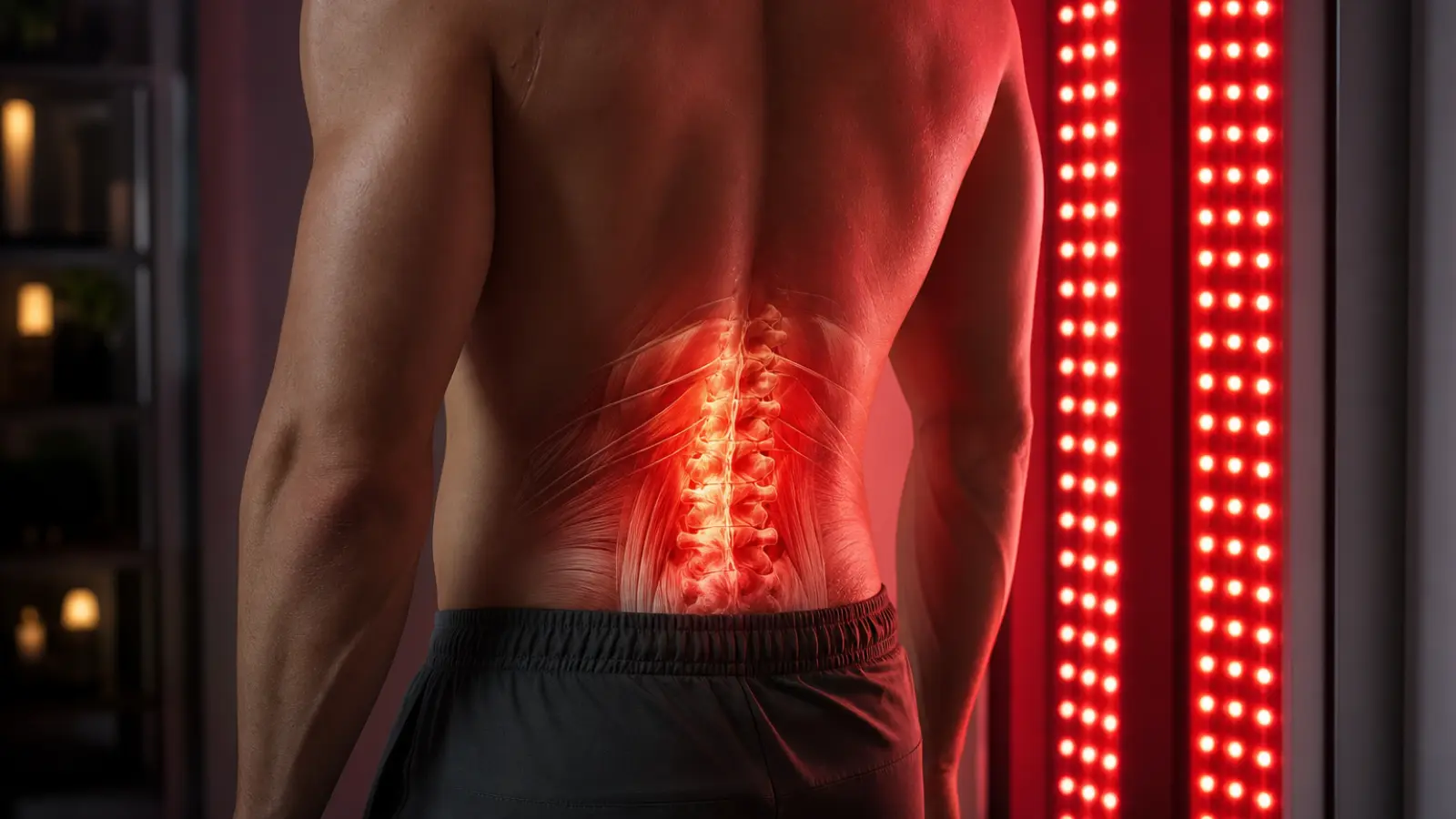
Photobiomodulation research primarily focuses on red and near infrared wavelengths between approximately 660nm and 850nm. Near infrared wavelengths such as 810nm to 850nm may penetrate deeply enough to influence paraspinal muscles and deeper musculoskeletal tissues associated with back pain.
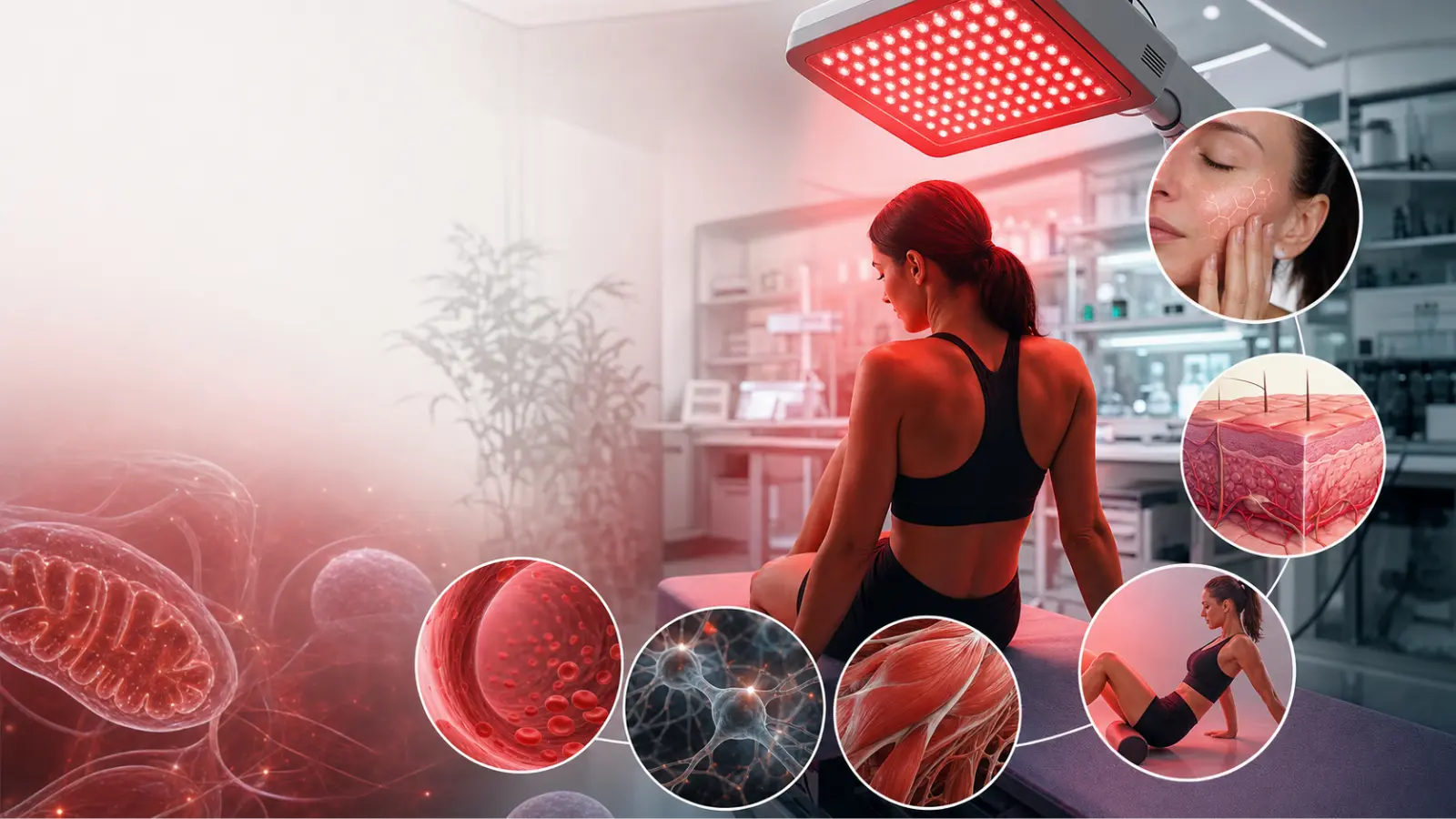
Researchers believe PBM may influence back pain through several biological pathways, including:
- modulation of inflammatory signaling
- support for mitochondrial ATP production
- improved circulation and tissue oxygenation
- effects on oxidative stress pathways
- support for muscle recovery and tissue repair processes
Laboratory and some clinical research has explored how photobiomodulation may influence inflammatory cytokines such as IL-1β and TNF-α, while also potentially supporting nitric oxide signaling and muscle relaxation mechanisms.
Although the exact mechanisms remain an active area of ongoing research, the biological rationale for PBM in musculoskeletal pain is considered plausible and reasonably well supported in the broader literature.
Conditions That May Benefit
| Condition | Research Summary |
|---|---|
| 🟢 Nonspecific Low Back Pain | Currently has the strongest evidence base, with multiple randomized controlled trials reporting improvements in pain and physical function. |
| 🟢 Muscle Spasm & Myofascial Pain | Research and clinical use suggest PBM may help reduce muscle tension and stiffness, sometimes relatively quickly with consistent use. |
| 🟡 Sciatica Symptoms | Early research is promising and suggests PBM may help support nerve-related discomfort and surrounding muscle tension. |
| 🟡 Post-Surgical Recovery | Used in some rehabilitation settings to support recovery, reduce discomfort, and assist tissue healing after procedures. |
| 🟡 Disc-Related Pain | Evidence is more limited, but researchers continue exploring whether PBM may help influence inflammation associated with disc-related conditions. |
Best Wavelengths for Lower Back Pain
Near infrared wavelengths are often emphasized in back pain protocols because they penetrate deeper into muscle and connective tissue than visible red light.
| Wavelength | Common Research Focus |
|---|---|
| 660nm Red Light | Surface tissue and circulation support |
| 810nm Near Infrared | Deep tissue and muscle recovery research |
| 830nm Near Infrared | Musculoskeletal PBM applications |
| 850nm Near Infrared | Deep penetration and recovery-focused protocols |
Many full-body PBM devices combine visible red and near infrared wavelengths to target multiple tissue depths simultaneously. This multi-wavelength approach is common in musculoskeletal recovery protocols because lower back pain often involves both superficial muscle tension and deeper connective tissue structures.
Near infrared wavelengths are generally emphasized for chronic lower back pain because they appear capable of penetrating more deeply into muscle and soft tissue than visible red light alone.
Suggested PBM Protocol for Lower Back Pain
Wavelength: 810nm to 850nm near infrared, often combined with 660nm red light
Distance: Skin contact for wearable belts or approximately 6 to 12 inches for panels
Session Length: 10 to 20 minutes
Frequency: Daily for acute pain or 3 to 5 times weekly for chronic management
Timeline: Improvements are often gradual and may require several weeks of consistent use
Treatment protocols vary substantially between studies depending on device output, wavelength selection, treatment area, and severity of symptoms. Most successful PBM studies use repeated treatments over multiple weeks rather than occasional high-dose sessions.
Consistency appears to matter more than excessively long sessions. Acute muscle-related discomfort may respond relatively quickly, while chronic lower back pain often requires several weeks of regular use before meaningful improvements are noticed.
For safety, avoid shining high-intensity light directly into the eyes and follow manufacturer guidelines for use.
Recommended Belts for Lower Back Pain
| Product | Best For | Price Range |
|---|---|---|
| Mito Red Light MitoQUAD Belt | Higher-output full-body recovery, lower back pain, deep tissue support | $332–349 |
| Hooga Red Light Therapy Belt | Portable targeted recovery, lower back discomfort, everyday use | $220–249 |
Integrating Red Light Therapy With Other Treatments
One of the most practical uses of red light therapy may be its ability to help people tolerate movement and rehabilitation more comfortably.
Photobiomodulation works well alongside evidence-based back pain strategies such as physical therapy, strength training, mobility work, walking programs, and manual therapy. For many people with chronic back pain, movement and exercise remain the most important long-term interventions.
Red light therapy may help reduce the pain barrier enough to make those therapies easier to maintain consistently. Rather than viewing PBM as a standalone solution, it is more accurate to think of it as a supportive recovery tool that may complement broader rehabilitation and pain management strategies.
| Recovery Strategy | How PBM May Support It |
|---|---|
| Physical Therapy → | May help reduce discomfort during rehabilitation exercises |
| Strength Training → | May support muscle recovery and training consistency |
| Mobility Work → | May help reduce stiffness and improve movement comfort |
| Walking Programs → | May make regular movement easier to tolerate |
| Manual Therapy → | Often paired with massage, chiropractic care, or rehab protocols |
Important Considerations
Research protocols for lower back pain vary substantially between studies, including differences in wavelengths, dosing methods, device quality, and treatment frequency. Outcomes can also vary significantly between individuals.
What the Research Suggests
Lower back pain is one of the more extensively studied musculoskeletal applications of photobiomodulation. Research suggests red and near infrared light therapy may help reduce pain, stiffness, and muscle tension in some individuals, particularly when used consistently alongside movement and rehabilitation strategies.
Evidence appears strongest for nonspecific chronic low back pain, while research for sciatica and disc-related pain remains more preliminary. Although study protocols and outcomes vary considerably, the broader evidence base for PBM and back pain is encouraging.
Medical Disclaimer: The information in this article is intended for general wellness and educational purposes only and is not medical advice. Research on red light therapy and photobiomodulation is ongoing, and individual results may vary. Always consult a qualified healthcare professional regarding wounds, injuries, or medical conditions.
Affiliate Disclosure: Some links on this page are affiliate links. If you purchase through them, we may earn a small commission at no extra cost to you. We only recommend products we have independently evaluated.
FAQ
Can red light therapy help lower back pain?
Research suggests red and near infrared light therapy may help reduce lower back pain, muscle tension, and stiffness in some individuals. Evidence appears strongest for nonspecific chronic low back pain and musculoskeletal discomfort.
What wavelengths are best for lower back pain?
Near infrared wavelengths between 810nm and 850nm are commonly used for lower back pain because they penetrate deeper into muscle and connective tissue. Many devices also combine these wavelengths with 660nm red light for broader tissue support.
How often should you use red light therapy for back pain?
Many photobiomodulation studies use sessions several times per week over multiple weeks. Acute discomfort may respond more quickly, while chronic lower back pain often requires consistent long-term use.
Can red light therapy help sciatica symptoms?
Early research suggests photobiomodulation may help support nerve-related discomfort and surrounding muscle tension associated with sciatica. However, evidence for sciatica is still more limited than for nonspecific lower back pain.
Is red light therapy a replacement for physical therapy or medical treatment?
No. Red light therapy is best viewed as a supportive recovery tool that may complement physical therapy, exercise, mobility work, and other evidence-based treatments. Persistent or severe back pain should always be evaluated by a healthcare professional.
Research References
Pain Medicine Systematic Review on Low-Level Laser Therapy for Chronic Low Back Pain
https://pubmed.ncbi.nlm.nih.gov/26667480/
BMJ Open Meta-Analysis on Photobiomodulation and Musculoskeletal Pain
https://bmjopen.bmj.com/content/7/10/e017202
Review of Photobiomodulation for Musculoskeletal Pain and Recovery
https://pubmed.ncbi.nlm.nih.gov/32680739/
Review of Anti-Inflammatory Mechanisms of Photobiomodulation
https://pmc.ncbi.nlm.nih.gov/articles/PMC12909510/