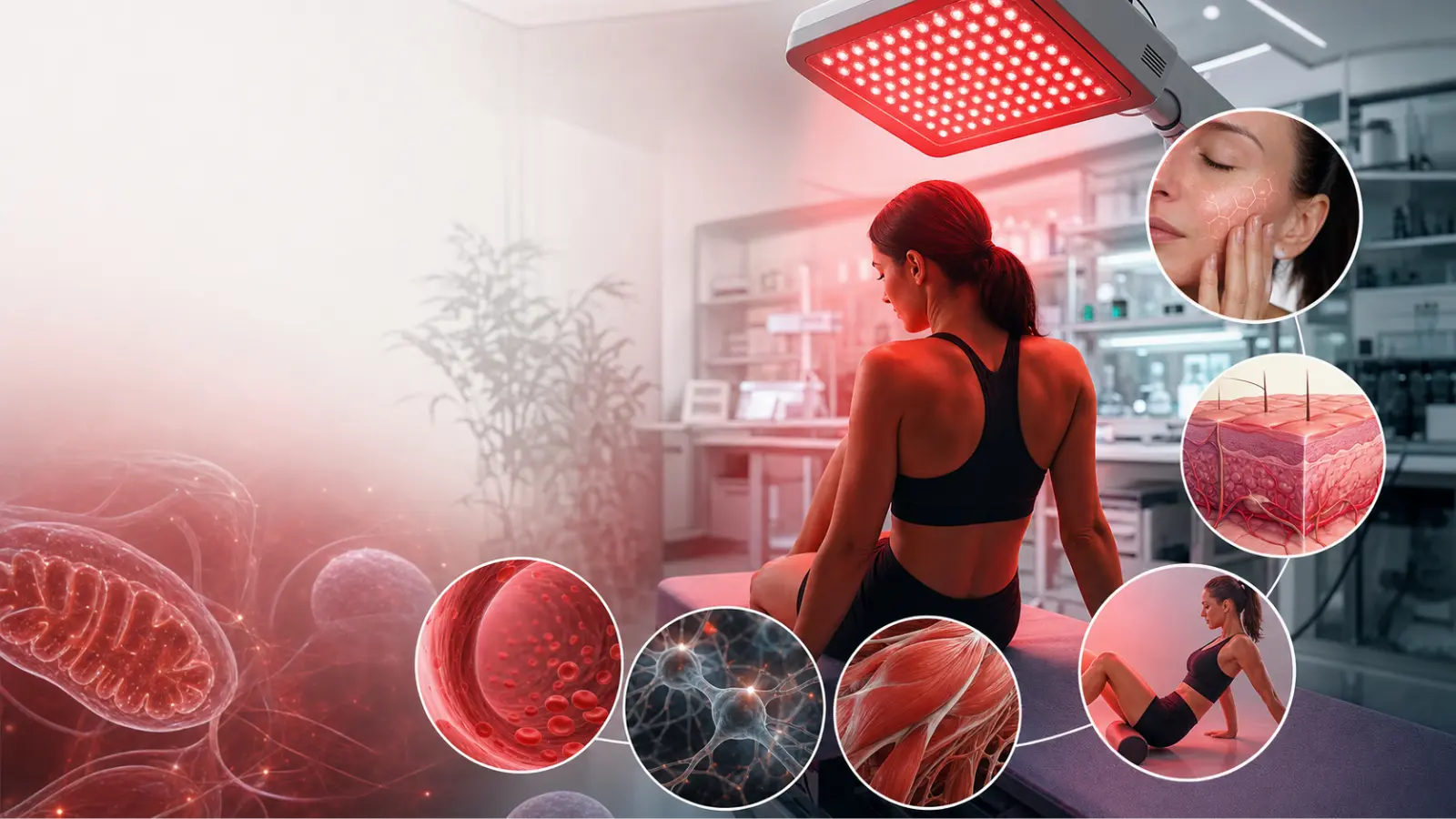

Joint pain is one of the most researched applications of photobiomodulation (PBM), also known as red light therapy. Studies over the past two decades have explored its effects on osteoarthritis, rheumatoid arthritis, neck pain, lower back pain, and TMJ disorders.
While red light therapy is not a cure for degenerative or autoimmune joint disease, current evidence suggests it may help reduce pain, improve mobility, and support recovery in some individuals when used consistently alongside broader treatment approaches.
Modern dual-wavelength devices typically combine:
- 660nm red light for superficial inflammation
- 810–850nm near infrared light for deeper tissue penetration
Together, these wavelengths may reach muscles, connective tissue, synovial membranes, and other structures associated with chronic joint discomfort.
Quick Answer
Can Red Light Therapy Help Joint Pain?
Current evidence suggests red light therapy may help reduce joint pain, stiffness, and mobility limitations in some people, especially when used consistently for mild-to-moderate joint conditions.
- Best studied for osteoarthritis and musculoskeletal pain
- May support short-term pain relief and improved movement
- Works best as a supportive therapy, not a cure
- Results usually require consistent use over several weeks
How Red Light Penetrates Deep Enough to Reach Joints
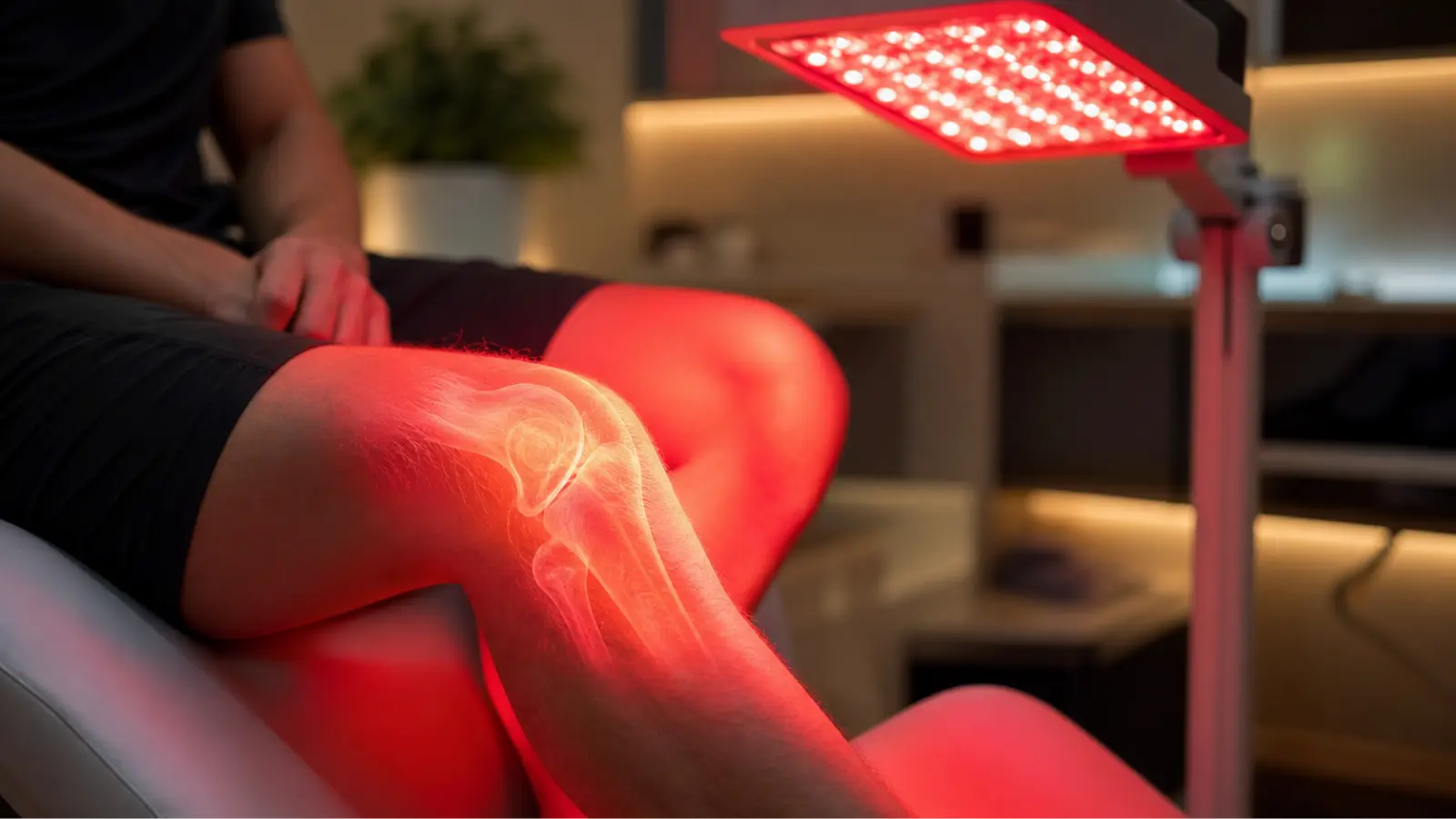
Penetration depth is one reason red light therapy is widely studied for joint pain. While 660nm red light mainly affects surface tissue, near infrared wavelengths between roughly 810–850nm penetrate more deeply and may reach connective tissue, surrounding muscle, synovial membranes, and portions of joint structures linked to chronic discomfort. Fluid-rich structures like the synovial membrane may also help scatter light deeper within the joint environment.
Researchers are also studying the “bystander effect,” where cells stimulated by photobiomodulation may trigger signaling responses in nearby cells not directly exposed to light. Some researchers believe this creates a diffusion-like effect that may extend PBM activity into adjacent or deeper tissue beyond the device’s direct penetration depth. Smaller joints like the fingers, wrists, elbows, and TMJ are generally easier to treat than deeper joints like the hips.
Proposed mechanisms include:
- Reduced inflammatory signaling
- Mitochondrial and cellular energy support
- Nitric oxide and circulation-related effects
- Temporary pain signaling modulation
- Possible bystander signaling effects
Clinical Evidence for Joint Conditions
Research on red light therapy for joint pain varies by condition, joint depth, and treatment protocol. The strongest evidence tends to involve osteoarthritis and musculoskeletal pain, while autoimmune and deeper joint conditions usually require more cautious expectations.
Clinical Evidence by Joint Condition
Osteoarthritis (OA)
Knee osteoarthritis is one of the most researched applications of photobiomodulation. A major 2009 systematic review and meta-analysis published in The Lancet evaluated randomized trials involving low-level laser therapy for osteoarthritis and reported statistically significant reductions in pain and improvements in function in some treatment protocols.
More recent reviews have produced mixed but generally encouraging findings, particularly when appropriate dosing parameters are used consistently.
Rheumatoid Arthritis (RA)
A Cochrane systematic review concluded that photobiomodulation may provide short-term symptom relief for rheumatoid arthritis, particularly for morning stiffness, pain, and grip strength limitations.
Researchers also emphasized that effects were generally modest and evidence quality varied substantially between studies.
Neck & Lower Back Pain
Multiple systematic reviews support PBM as a possible supportive therapy for nonspecific neck pain and lower back pain. The World Association for Laser Therapy (WALT) has also published dosing recommendations specifically for these conditions.
Stronger Evidence
- Temporary pain reduction
- Improved mobility
- Short-term symptom support
Weaker Evidence
- Permanent pain resolution
- Long-term structural correction
TMJ Disorders
TMJ disorders are commonly studied because the joint sits close to the skin surface, making light penetration less challenging than deeper joints. Several controlled trials report reduced jaw pain, improved jaw opening, and reduced muscle tenderness.
Results remain variable depending on treatment parameters, device quality, and symptom severity.
Optimal Protocol for Joint Pain
No single protocol works universally, but most successful studies use relatively consistent PBM parameters.
Commonly Used Parameters
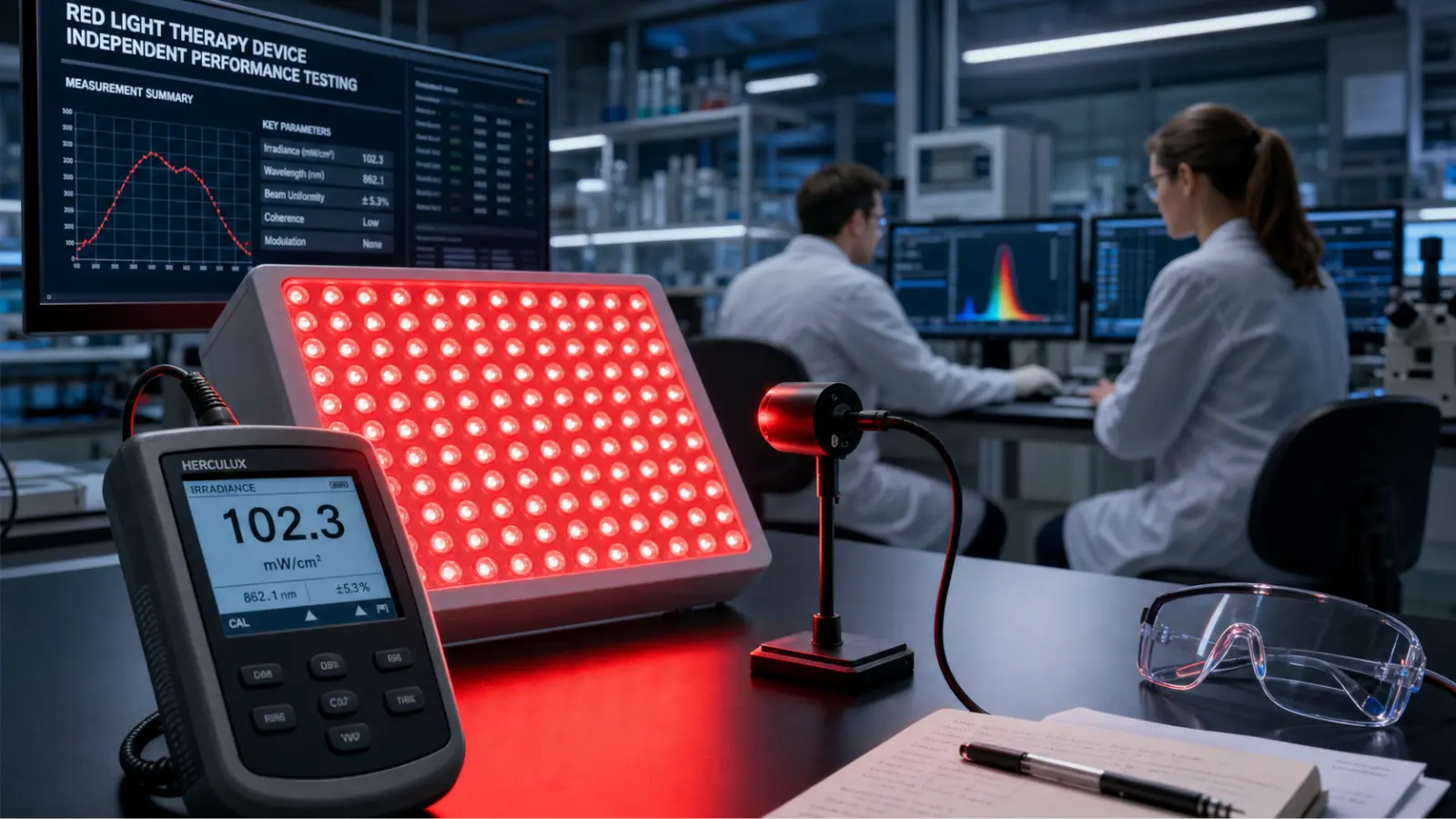
- Wavelengths: 660nm + 810–850nm
- Session duration: 10–20 minutes
- Frequency: 3–7x weekly
- Distance: Device-specific
- Treatment consistency: Often 4–8 weeks minimum
- Target areas: Joint plus surrounding tissue
Researchers generally consider consistency more important than excessively high intensity.
What to Realistically Expect
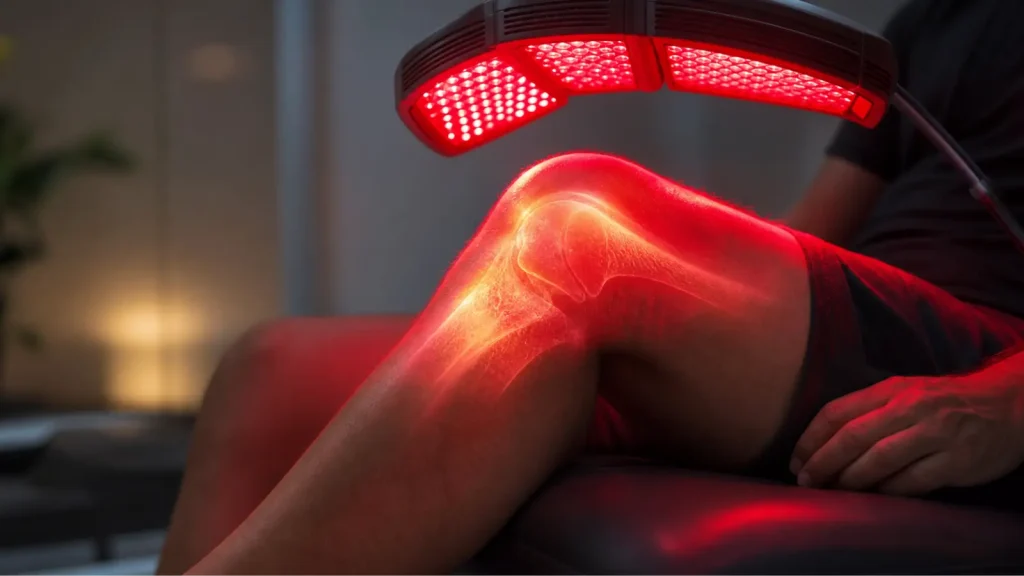
Red light therapy for joint pain is not a cure. It may help manage symptoms and support mobility, but it does not reverse severe structural degeneration in osteoarthritis or address the underlying autoimmune mechanisms involved in rheumatoid arthritis. It is best viewed as a supportive anti inflammatory therapy that may help reduce pain, improve movement, and support recovery rather than fully repair established joint damage.
Many users with mild to moderate joint conditions report noticeable pain reduction within 4 to 6 weeks of consistent use. Benefits are often maintained with continued treatment, though effects may gradually fade after stopping therapy for chronic conditions.
Benefits vs Limitations
Like most wellness and recovery therapies, red light therapy has both strengths and limitations. While current research suggests PBM may help reduce pain, stiffness, and mobility issues in some individuals, results can vary substantially depending on the condition, treatment consistency, device quality, and severity of joint degeneration.
Potential Benefits
- May reduce joint pain and stiffness
- Can support mobility and recovery
- Non invasive and generally well tolerated
- May complement physical therapy routines
- No recovery downtime required
Limitations
- Does not reverse severe joint degeneration
- Results vary between individuals
- Requires consistent long term use
- Evidence quality varies by condition
- Deeper joints are harder to treat effectively
Practical Perspective
The strongest evidence-supported approaches for long-term joint health still include regular movement, resistance training, healthy body weight, sleep quality, physical therapy, and physician-guided care when needed. Red light therapy may work best as one supportive tool within a broader recovery and mobility strategy rather than a standalone solution.
Key Takeaways
- Joint pain is one of the most researched PBM applications.
- Evidence is strongest for osteoarthritis and musculoskeletal pain.
- Near infrared wavelengths penetrate deeper than visible red light.
- Consistency matters more than aggressive dosing.
- PBM appears most useful for symptom management rather than structural reversal.
- Results vary substantially between individuals and conditions.
Medical Disclaimer: This article is intended for general wellness and educational purposes only and is not medical advice. Research on photobiomodulation and red light therapy is ongoing, and responses may vary between individuals. Consult a qualified healthcare professional regarding injuries, chronic pain, eye conditions, or medical concerns before beginning any new wellness protocol.
Affiliate Disclosure: Some links on this page are affiliate links. If you purchase through them, we may earn a small commission at no extra cost to you. We only recommend products we have independently evaluated.
Frequently Asked Questions
Can red light therapy help arthritis?
Some studies suggest photobiomodulation may help reduce arthritis-related pain and stiffness, particularly for osteoarthritis and rheumatoid arthritis symptom management.
How long does it take to see results?
Many users report noticeable improvements within 2–6 weeks of consistent use, though responses vary.
Which wavelength is best for joint pain?
Many modern devices combine 660nm red light with 810–850nm near infrared light to address both superficial and deeper tissue.
Can red light therapy rebuild cartilage?
There is currently insufficient evidence showing that red light therapy can fully regenerate damaged cartilage in humans.
Is red light therapy FDA approved for arthritis?
Some PBM devices have FDA clearance for temporary pain relief and related applications, but this does not mean red light therapy cures arthritis.
Research References
Effect Of Photobiomodulation (Low-Level Laser Therapy) In Patients With Knee Osteoarthritis: A Randomized Controlled Trial https://pubmed.ncbi.nlm.nih.gov/40545487/
Low Level Laser Therapy for Painful Joints (Meta-analysis of randomized trials) https://pmc.ncbi.nlm.nih.gov/articles/PMC4281983/
Low Level Laser Therapy (Classes I, II and III) for Treating Rheumatoid Arthritis (Cochrane Review including Hall 1994, Bliddal 1987, Palmgren 1989, Johannsen 1994) https://pmc.ncbi.nlm.nih.gov/articles/PMC8406947/
Effects of Photobiomodulation Combined with Rehabilitation Exercise in Knee Osteoarthritis (Randomized Controlled Trial Protocol) https://journals.plos.org/plosone/article?id=10.1371/journal.pone.0314869
LLLT Therapy on KOA (A Randomized Placebo-Controlled Trial) – Stausholm et al. https://www.frontiersin.org/journals/bioengineering-and-biotechnology/articles/10.3389/fbioe.2022.1089035/full